
Many people dismiss small bruises or occasional bleeding gums, thinking they are not important. But in some cases, these may be early liver disease symptoms that should not be ignored.
Your liver makes many of the proteins that help blood clot normally. When the liver isn’t working well, you might bruise more easily or bleed for longer than you usually would. Early detection of these changes can help prevent serious complications and ensure treatment is given in time.
How Your Liver Helps Control Bleeding and Blood Clotting
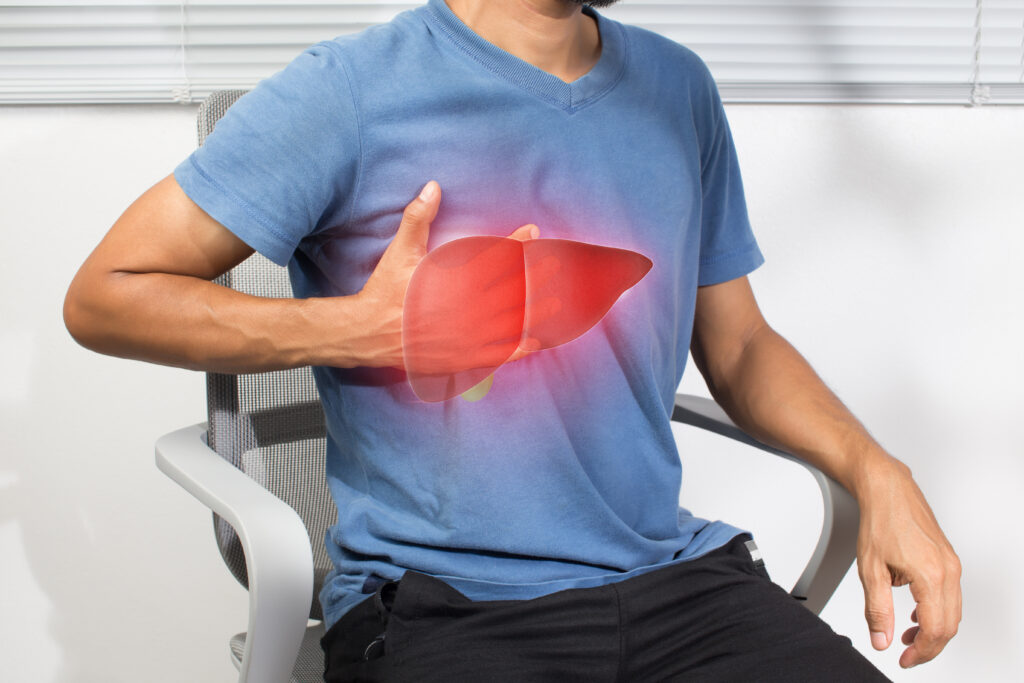
The liver is one of the most important organs in the body. It performs hundreds of functions, like filtering toxins, processing nutrients, and manufacturing clotting factors that help stop bleeding after an injury.
If the liver is damaged, it may be unable to produce sufficient quantities of these proteins. This can result in unexpected bruising, nosebleeds, bleeding gums, or longer-than-usual bleeding from cuts. These can be important liver disease symptoms that are often missed.
How Liver Disease Can Cause Easy Bruising and Bleeding
Several liver conditions can affect the body’s ability to control bleeding.
- Reduced Clotting Factor Production
The liver might not produce enough clotting proteins, which can lead to bleeding.
- Low Platelet Counts
People with advanced liver disease may have low platelets, which play an important role in blood clotting.
- Vitamin K Processing Problems
The liver helps process nutrients, including vitamin K, which is needed for normal clotting.
- Portal Hypertension
High pressure in the liver’s blood vessels can cause larger veins and an increased risk of internal bleeding.
- Increased Breakdown of Clots
Some liver conditions disturb the balance between clot formation and clot breakdown.
Common Liver Disease Symptoms to Watch For
Other warning signs may be present along with easy bruising and bleeding. These include:
- Yellowing of the skin or eyes
- Swelling in the abdomen or legs
- Persistent fatigue
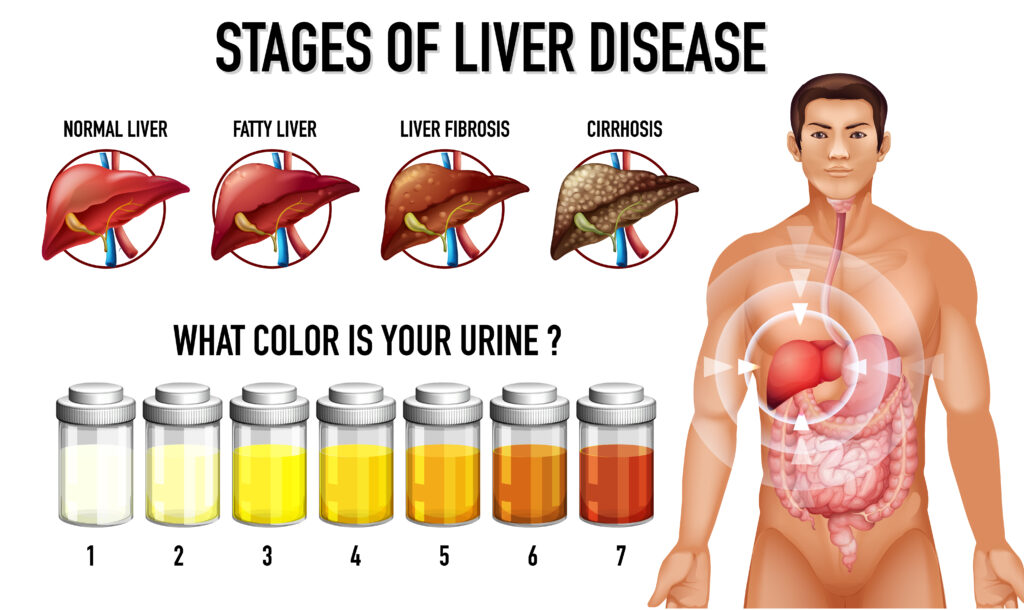
- Dark urine
- Pale stools
- Loss of appetite
- Nausea
- Itchy skin
- Unexplained weight loss
- Confusion or poor concentration
If bruising occurs with any of these liver disease symptoms, medical examination is strongly advised.
Why You Can Both Bleed and Clot
Many patients are unaware that liver disease can increase the risk of bleeding and abnormal clotting. This is because the liver controls many systems that maintain the balance of the blood. When these systems break down, some people bruise easily, and others may develop blood clots.
Could Fatty Liver Cause Bruising?
In the early stages, fatty liver disease may not result in bruising. However, if fatty liver disease leads to inflammation, scarring, or cirrhosis, clotting issues can arise. That is why continuous monitoring is essential, particularly in people with obesity, diabetes, or high cholesterol.
When Should You See a Specialist?
You should seek medical advice if you notice:
- Frequent unexplained bruises
- Bleeding gums without a dental cause
- Nosebleeds happening often
- Blood in stool or vomit
- Swollen abdomen
- Yellow eyes or skin
- Ongoing tiredness with bruising
These can indicate worsening liver disease symptoms that require immediate attention.
How the Cause Is Diagnosed
Tests help identify whether bruising is linked to liver damage or another condition. A specialist may recommend tests such as the following:
- Liver function test to assess liver health
- Complete blood count to check platelets
- Clotting profile tests
- Ultrasound of the liver
- Fibroscan for scarring
- Endoscopy if internal bleeding is suspected
Treatment for Liver-Related Bruising and Bleeding
Treatment depends on the cause of the illness. It may include:
- Managing fatty liver disease
- Treating hepatitis or inflammation
- Correcting vitamin deficiencies
- Medicines to reduce portal hypertension
- Platelet or clotting support in severe cases
- Lifestyle and diet changes
Early treatment can reduce complications and improve liver health.
Can liver damage be reversed?
Some liver conditions, especially fatty liver and early inflammation, may improve with proper treatment and lifestyle changes. However, advanced cirrhosis may cause permanent damage. This is why recognising liver disease symptoms early is extremely important.
Your Path to Better Liver Health Begins with Dr Fahd Aziz Rana
Unexplained bruising, bleeding, or other liver disease symptoms should never be ignored. Early medical evaluation can detect the cause before complications develop. Dr Fahd offers expert diagnosis, advanced testing, and personalised treatment for better liver health.