
Facing your first endoscopy can feel stressful. Many patients worry because they are unsure what will happen or how to prepare. The good news is that an endoscopy test is a safe and straightforward procedure, and proper preparation makes the experience smoother, more comfortable, and more accurate.
This guide explains everything in clear, simple language so you know exactly what to expect and how to get ready.
Understanding Endoscopy: What It Is and Why It’s Done
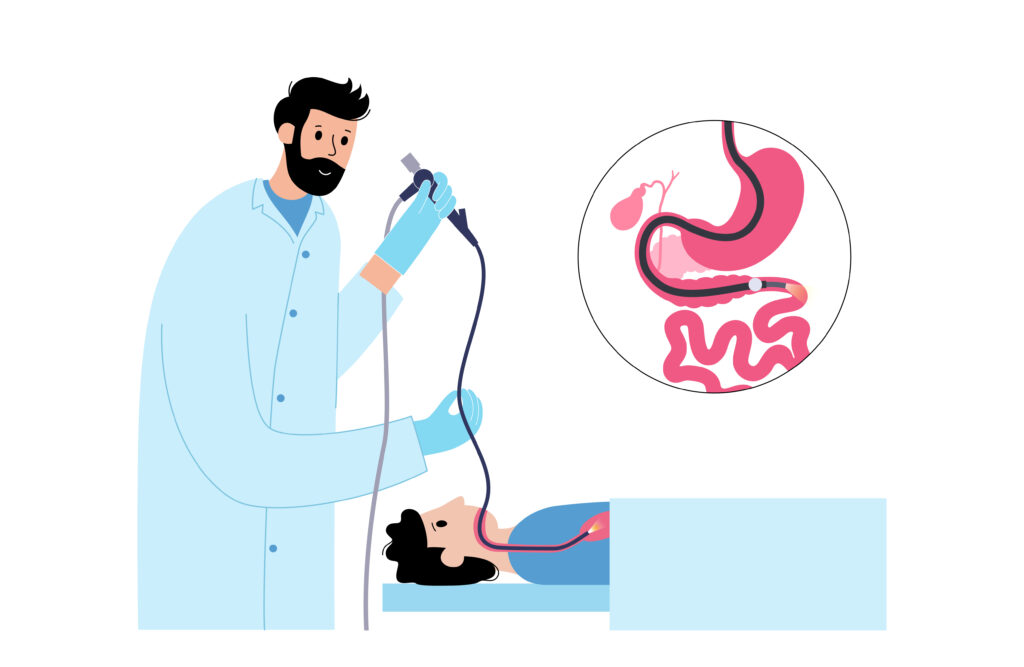
An endoscopy is a medical test that allows doctors to look inside your body using a thin, flexible tube with a small camera at the tip. This tube is gently passed through a natural opening, such as the mouth or rectum, to examine organs like the food pipe, stomach, intestines, or colon.
Doctors recommend endoscopy to:
- Find the cause of ongoing stomach pain, acidity, or bloating
- Investigate difficulty in swallowing
- Check bleeding, ulcers, or infections
- Diagnose conditions like gastritis, ulcers, or polyps
- Taking small tissue samples for further testing if needed
The endoscopy test helps doctors to get a better look at your internal organs than scans or blood tests sometimes can.
Why Proper Endoscopy Preparation Is Important
Proper preparation for your endoscopy is crucial. A clean and empty stomach or bowel allows the doctor to see clearly and make an accurate diagnosis. In case of poor preparation, it could
- Make the test uncomfortable for you.
- Hide important information from the doctor.
- Require you to do the procedure again.
- Delay your diagnosis and treatment.
According to Dr. Fahd, good preparation not only makes the test more accurate but also reduces patient discomfort and anxiety during the procedure. When patients follow instructions carefully, the entire process becomes smoother and safer.
Good preparation provides accurate results and a more comfortable experience.
How to Prepare for Your Endoscopy: Step-by-Step Guide
If you are experiencing your first endoscopy test, then stay at peace and follow this simple guide to make your procedure painless and straightforward.
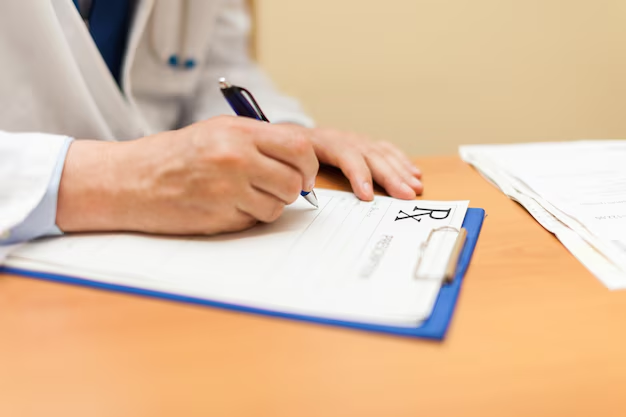
Discuss Your Health and Needs With Your Doctor
Before the procedure, inform your doctor about:
- Any medical conditions (diabetes, heart disease, blood pressure)
- Your previous surgeries
- Allergies to medicines
- All the medications, vitamins, and supplements you take
Always consult your doctor before making a change in your medications.
Follow Fasting Instructions Carefully
Fasting is one of the most critical steps for endoscopy.
- Stop eating solid food 6 to 8 hours before the procedure.
- Drink only clear liquids like water, clear broth, apple juice, or black tea/coffee (without milk) up to 2 to 4 hours before
- Avoid red, orange, or purple liquids.
- Do not chew gum, eat candy, or smoke on the day of the test.
These steps help prevent nausea and ensure clear visibility.
Adjust Medications Safely
Some medicines might require special attention.
- Blood thinners may need to be adjusted
- Diabetes medications may require dosage changes
- Routine medicines for blood pressure or heart conditions are usually allowed with a small sip of water.
Wear Comfortable Clothing
On the day of your endoscopy test, make sure to
- Wear loose, comfortable clothes.
- Choose flat shoes
- Avoid jewelry, body piercings, nail polish, and lotions.
Comfortable clothing can help you feel more relaxed.
Plan Your Time at Home and Transport
Endoscopy often involves sedation. This can make you feel sleepy. In such a case
- Arrange for someone to drive you home
- Avoid work, driving, or making important decisions for the rest of the day
- Have support available with you in case you need to rest longer or stay overnight
Understanding Sedation and Anesthesia
In most endoscopy tests, mild sedation is used to help you relax. You may feel drowsy and may not remember the procedure clearly. In some cases, local anesthesia is used to numb the throat.
Before the procedure, your doctor will explain:
- What type of sedation will be used
- Possible side effects
- Safety precautions after sedation
What to Bring on the Day of Your Endoscopy
On the day of your endoscopy test, dont forget to bring the following items with you.
- Medical reports and test results
- A list of your medications
- Your CNIC or ID
- Hospital forms or referral slips
- A family member or a friend to drive you home
Tips to Stay Calm Before Your Endoscopy
Feeling nervous before an endoscopy is entirely normal, especially if it is your first time. Many patients worry about pain, results, or the procedure itself.
Here are some tips to help you relax.
- Ask your doctor questions beforehand so you know what to expect
- Try slow, deep breathing or light relaxation exercises
- Avoid searching for alarming or misleading information online
- Remind yourself that endoscopy is a simple and short procedure
Dr. Fahd often reassures patients that understanding the process before the procedure significantly reduces fear and gives them a sense of control, making the experience better. A calm mindset plays an essential role in a smooth endoscopy experience.
What Happens During the Endoscopy Procedure
During your endoscopy procedure, here’s what you can expect
1. Sedation
Sedation will be given to you to help you relax.
2. Examination
The doctor gently inserts the endoscope to examine the area.
3. Treatment or Sampling
If required, small tissue samples may be taken or abnormalities removed.
4. Procedure Duration
In general, most endoscopies take only 15–30 minutes.
What Happens After the Endoscopy
After the procedure:
- You will rest in a recovery area until the effects of sedation wear off
- It’s common to experience mild bloating, gas, or a sore throat, although these symptoms are temporary
- Most of the patients usually go home the same day with a companion
Clear instructions after the procedure will help you recover comfortably and safely.
When Should You Contact Your Doctor?
Seek your doctor’s help if you are experiencing these symptoms
- Severe abdominal pain
- Persistent vomiting
- Fever
- Black stools or heavy bleeding
Though these occurrences are rare, they require prompt attention.
Is Endoscopy a Painful Procedure?
Generally, endoscopy is not painful. Sedation keeps you comfortable, and most patients feel only mild discomfort or pressure. It’s a quick process that is generally well tolerated.
Final Thoughts
Preparing well for your endoscopy helps ensure accurate results, faster diagnosis, and a more comfortable experience. By following fasting rules, medication guidance, and planning, you can reduce stress and focus on your health.
Dr. Fahd believes that informed patients feel more confident and recover better. Taking time to understand the procedure and preparation steps allows you to approach your endoscopy with clarity rather than fear.