
Detecting cancer early can make all the difference when it comes to treatment and survival. Many cancers grow slowly and don’t show obvious warning signs at first. That’s where the endoscopy procedure comes in. This procedure helps doctors look inside the body, spot early changes, and take action before things get worse. It’s become an essential tool in both preventing and diagnosing cancer.
If you want to learn how the endoscopy test works and why it’s so effective at catching cancer early, you’re in the right place. Let’s explore what endoscopy is and how it helps detect cancer when it matters most.
What Is an Endoscopy Procedure and Why Is It Important?
Endoscopy is a minimally invasive procedure where doctors use a thin, flexible tube with a tiny camera and light on the end to look inside your body. It’s often used to check the digestive system, airways, and other internal organs. Because it provides clear, live images, endoscopy can catch abnormalities that might not show up on standard scans or tests.
How Endoscopy Procedure Helps Detect Cancer Early
Endoscopy helps catch cancer early because it gives doctors a close-up, detailed look at internal tissues. This means they can spot subtle changes before symptoms even appear, which opens the door to earlier treatment.
- Seeing Inside the Body Clearly
Direct visualisation allows doctors to carefully examine the lining of organs for abnormal growths, ulcers, colour changes, or irregular tissue patterns. These early changes are often too small to be detected through imaging tests alone. Still, they can signal the beginning of cancer development.
- Advanced Imaging for Accurate Detection
Advanced imaging and magnification give doctors a much clearer, more detailed view of what’s happening inside. These tools help tell the difference between normal and abnormal tissue, making it easier to catch early-stage cancers and less likely that something small but essential gets missed.
- Biopsy for Confirmed Diagnosis
When an abnormal area is identified, endoscopy allows for immediate tissue sampling. A biopsy provides laboratory confirmation, helping confirm if the tissue is normal, at risk, or already cancerous. Early biopsy supports quicker diagnosis and faster treatment planning.
- Removing Precancerous Polyps
Endoscopy also lets doctors remove certain abnormal growths, like polyps, during the same procedure. Taking these out early can stop them from turning into cancer, which makes endoscopy valuable for both diagnosis and prevention.
Expertise Matters in Detection
Performing an endoscopy requires both skill and experience. Dr Fahd Aziz Rana combines advanced equipment with clinical expertise to ensure that every examination is accurate and thorough. His careful approach helps identify subtle changes that might otherwise be missed, giving patients the best chance for early diagnosis and treatment.
Standard Endoscopic Tests Used for Cancer Screening
Different types of endoscopy are used depending on which organ needs to be examined. The choice depends on your symptoms, risk factors, and current screening guidelines, all aimed at catching cancer when it’s earliest and most treatable.
Colonoscopy is one of the most effective ways to screen for colorectal cancer. It lets doctors examine the entire colon and rectum, which means they can detect cancer early and remove polyps before they cause problems. Studies show that regular colonoscopy significantly reduces deaths from colorectal cancer.
Gastroscopy (Upper GI Endoscopy)
Gastroscopy examines the oesophagus, stomach, and upper part of the small intestine. It can find inflammation, ulcers, abnormal tissue changes, and early cancers, especially in people who’ve had long-term acid reflux, trouble swallowing, or unexplained digestive issues.
Bronchoscopy
Bronchoscopy is used to examine the airways and lungs. It can identify tumours, narrowed air passages, or abnormal tissue growth. This procedure is constructive for people with persistent respiratory symptoms, a chronic cough, unexplained shortness of breath, or a history of smoking.
Why Finding Cancer Early Makes a Difference
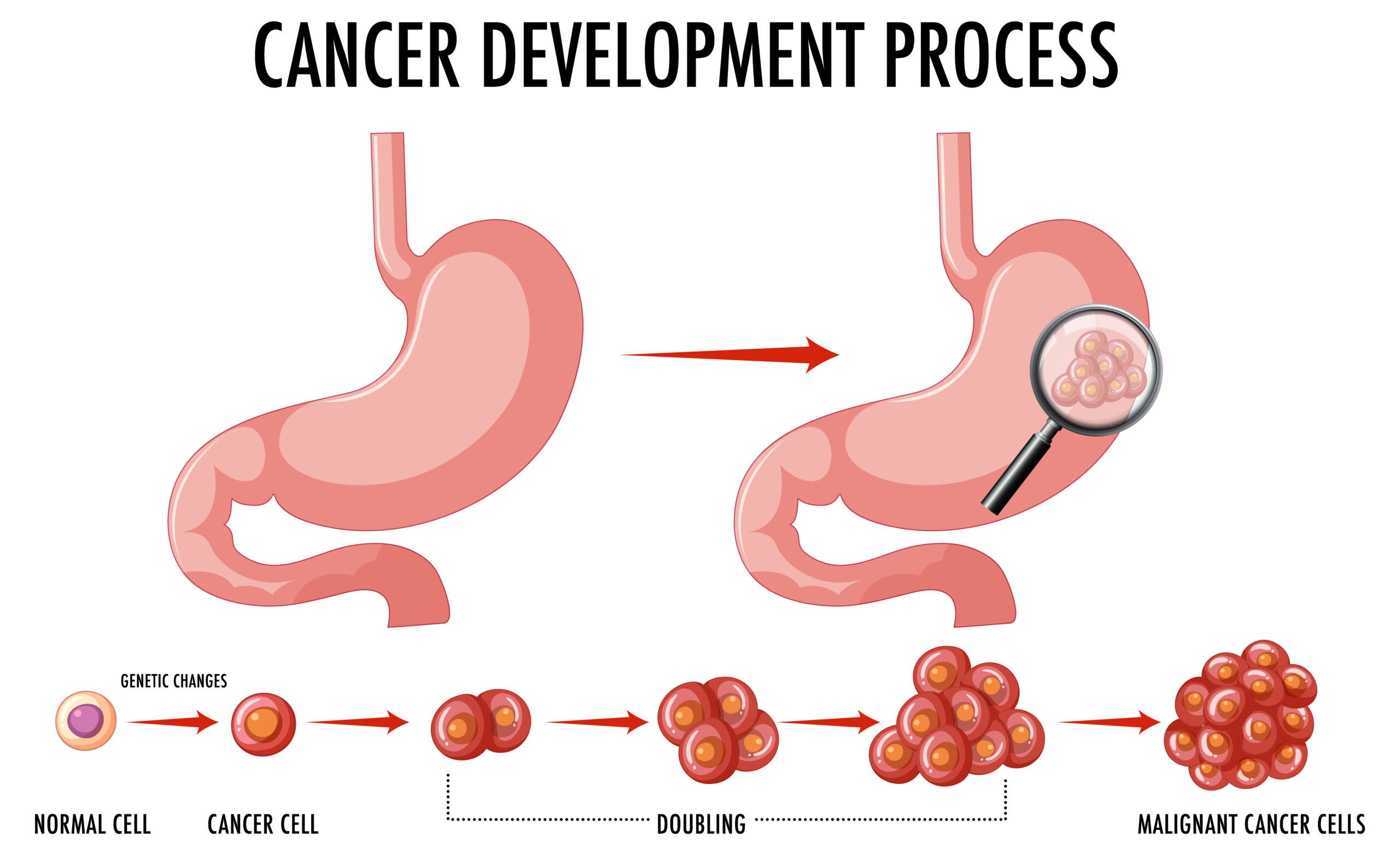
Finding cancer early significantly improves your treatment options and outcomes. When cancer is caught early, it’s usually easier to treat and manage.
- More Accurate Diagnosis
An endoscopy procedure can catch cancer at an early stage, which reduces uncertainty and gives doctors more confidence in the diagnosis.
- Better Survival and Recovery
Cancers caught early usually respond better to treatment, which means higher survival rates and a better quality of life.
- Less Invasive Treatment Options
When cancer is detected early, treatment is often simpler, recovery is shorter, and there are fewer complications compared to treating advanced-stage cancer.
Cancers Commonly Detected Through Endoscopy
Endoscopy is particularly good at detecting cancers that affect hollow organs and the tissues that line them.
- Gastrointestinal Cancers
Cancers of the oesophagus, stomach, colon, and rectum are often found through endoscopic screening. Catching them early helps prevent the disease from progressing.
- Respiratory and Other Cancers
Endoscopy can also help identify cancers in the airways, lungs, pancreas, and bile ducts using specialised techniques.
Advanced Endoscopic Techniques Improving Early Detection
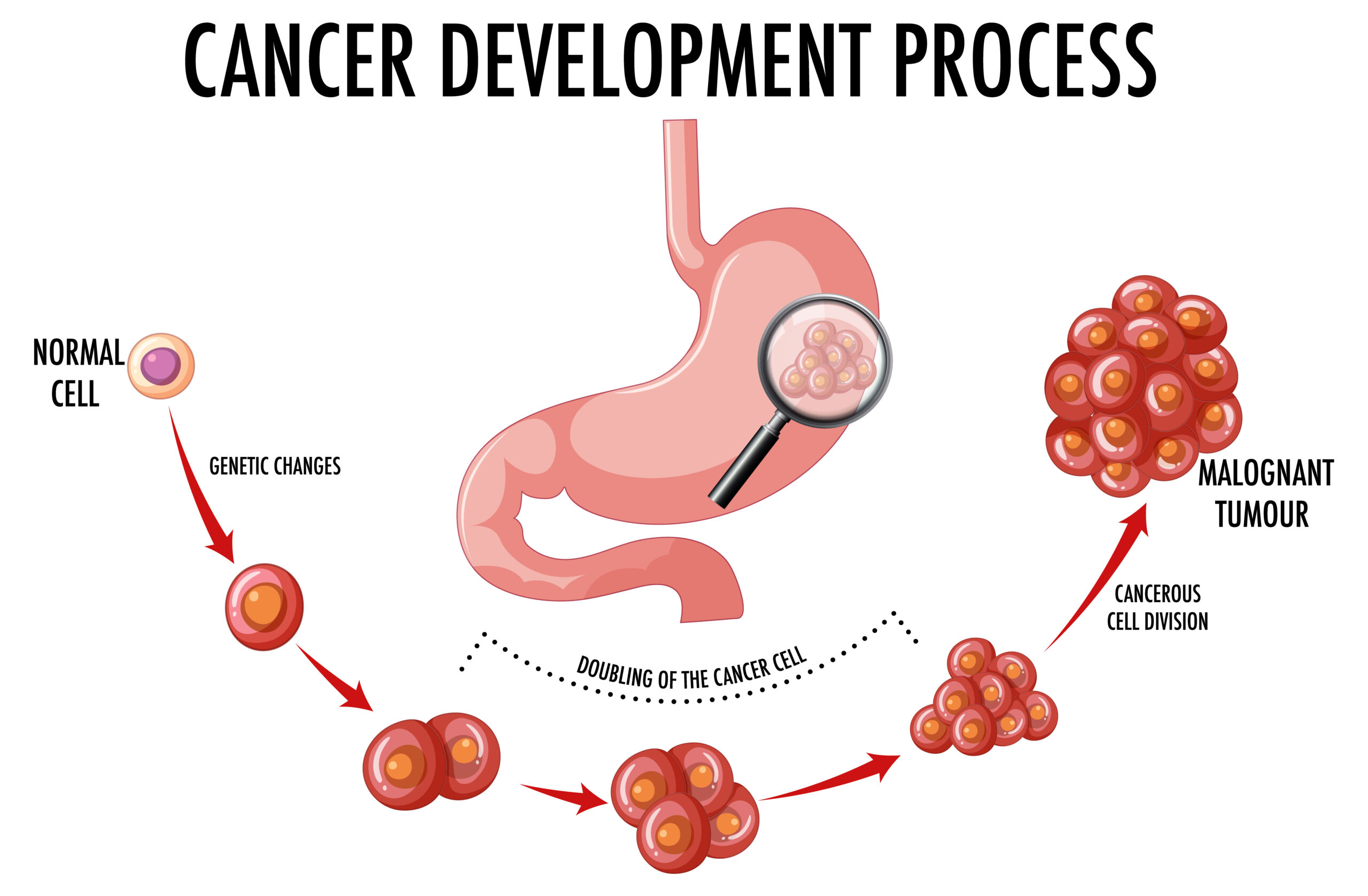
Modern endoscopy has come a long way from basic visual examination. Advanced techniques now improve accuracy, show tissue in greater detail, and increase the chances of catching cancer early.
- Chromoendoscopy
Chromoendoscopy uses special dyes to create better contrast on the surface of internal organs. This helps highlight abnormal areas that might otherwise look normal, making early cancer changes easier to spot.
- Narrow Band Imaging (NBI)
NBI uses specific wavelengths of light to make blood vessel patterns and surface structures stand out. This helps doctors spot subtle abnormalities and take more targeted biopsies.
- Magnifying Endoscopy
Magnifying endoscopy provides close-up views of tissue surfaces, letting doctors examine cellular patterns in detail. This helps them tell the difference between harmless and potentially cancerous changes more accurately.
How Endoscopy Supports Cancer Diagnosis and Treatment
Endoscopy does more than detect cancer early. It also helps pinpoint the exact location, size, and extent of abnormal tissue, which is crucial for staging the cancer and planning treatment.
In some cases, early-stage cancers can even be treated during endoscopy through local removal of lesions or targeted therapy. This can mean avoiding major surgery, spending less time recovering, and facing fewer treatment risks overall.
Who Should Consider Endoscopic Cancer Screening?
Endoscopic screening is recommended if you have ongoing symptoms like difficulty swallowing, persistent abdominal pain, unexplained weight loss, or changes in bowel habits. Regular screening helps catch problems early so you can get care when it matters most.
What to Expect During an Endoscopy
Most endoscopic procedures are done on an outpatient basis, meaning you don’t need to stay overnight. You’ll receive mild sedation to keep you comfortable. The procedure itself is usually quick, and you can go home the same day with clear instructions on what to do next.
Patient Preparation and Safety
How you prepare depends on which type of endoscopy you’re having. Throughout the procedure, safety measures are in place to keep you comfortable and minimise any risks.
The Role of Expertise in Accurate Endoscopic Diagnosis
Getting accurate results takes both advanced equipment and clinical expertise. Careful examination, precise biopsy techniques, and correct interpretation all matter when it comes to catching cancer early. Under Dr Fahd’s care, endoscopy is done with a strong focus on accuracy, your comfort, and early diagnosis, helping spot concerns before they turn into serious health problems.
The Future of Endoscopy in Cancer Detection
Endoscopic technology keeps getting better at detecting cancer early. High-definition imaging, artificial intelligence support, and improved treatment techniques are all shaping the future of cancer prevention and care.
Final Thoughts
Endoscopy plays a vital role in catching cancer early, supporting accurate diagnosis, and guiding timely treatment. Finding precancerous and early-stage changes helps improve outcomes and reduce the impact of advanced disease. With expert care and modern techniques, the endoscopy procedure remains one of the most effective tools we have for preventing cancer and intervening early.