
Most people have an upset stomach now and then. A heavy meal, a stressful week, or a bad bout of food poisoning can all leave you uncomfortable for a day or two, and then it gets better. Digestive trouble that refuses to settle is a different matter. When a symptom keeps returning, gets worse, or comes with other changes in your body, it deserves a proper medical opinion rather than another round of antacids.
This guide lists ten warning signs that justify booking an appointment with a gastroenterologist in Lahore, explains what the specialist will do at your first visit, and shows why acting early often makes treatment simpler.
10 Warning Signs You Should See a Gastroenterologist in Lahore
1. Persistent Abdominal Pain
Short-lived cramps after eating something that disagreed with you are common. Pain that lasts more than a couple of weeks, wakes you at night, or keeps returning to the same spot isn’t normal. Ongoing upper abdominal pain may point to gastritis, an ulcer, gallstones, or pancreatitis, while lower abdominal pain may relate to the bowel. Note where it hurts, when it starts, and whether food makes it better or worse. That detail helps the doctor narrow down the cause.
2. Blood in the Stool or Rectal Bleeding
Seeing blood in the toilet, on tissue paper or mixed through the stool should never be brushed aside. Bright red blood often comes from haemorrhoids or a small tear near the anus, but it can also come from polyps, infection, inflammatory bowel disease or colorectal cancer. Black, tarry stool is different and may indicate bleeding higher up, in the stomach or oesophagus. Either way, get it checked. Do not assume it is piles without an examination.
3. Chronic Diarrhoea
Loose stools lasting longer than four weeks are classed as chronic diarrhoea. Causes include infections that were never fully cleared, lactose or gluten intolerance, irritable bowel syndrome, ulcerative colitis and coeliac disease. Prolonged diarrhoea also drains your body of fluids and minerals, so waiting it out is rarely a good idea.
4. Chronic Constipation
Passing stool fewer than three times a week, straining often, or feeling that you have not fully emptied your bowels for weeks points to something beyond a low-fibre diet. Slow bowel movement, pelvic floor problems, an underactive thyroid, certain medicines and, less commonly, a blockage in the bowel can all be responsible. If fibre, water, and exercise haven’t helped, a specialist can look for the underlying cause.
5. Frequent or Severe Heartburn
Occasional heartburn after spicy food is ordinary. Heartburn on most days, or one that needs regular tablets to control, suggests gastro-oesophageal reflux disease (GERD). Left untreated, constant acid exposure can inflame and damage the lower oesophagus and, over many years, change the cells lining it. If you also notice a sour taste in your mouth, a chronic cough or difficulty breathing, mention these as well.
6. Difficulty Swallowing
If food seems to stick in the throat or chest, you have pain when swallowing, or you need to chew everything very finely, book an appointment promptly. The cause may be a narrowing of the oesophagus, severe reflux, an oesophageal motility problem or, in some cases, a growth. An upper GI endoscopy is usually the quickest way to see what is happening.
7. Unexplained Weight Loss
Losing weight without changing your diet or exercise routine is one of the symptoms doctors take most seriously. In digestive illness, it can happen because the gut is not absorbing nutrients properly. After all, eating can be painful, or conditions such as coeliac disease, inflammatory bowel disease, or cancers of the stomach, pancreas, or bowel can cause it. If you have lost around five per cent of your body weight over six months without trying, see a specialist.
8. Persistent Nausea and Vomiting
Nausea that does not pass, or vomiting that happens repeatedly over days or weeks, can be linked to gastroparesis (slow stomach emptying), ulcers, gallbladder disease, liver problems or a partial blockage. Vomiting blood or material that looks like coffee grounds is an emergency and needs immediate hospital care.
9. Jaundice
A yellow tint to the skin or the whites of the eyes, together with dark urine or pale stools, signals that bilirubin is building up in the body. This usually means a problem with the liver, bile ducts or gallbladder, such as hepatitis, gallstones or a blocked bile duct. Jaundice always needs investigation, and a liver specialist can arrange blood tests and imaging to find the cause.
10. Ongoing Fatigue or Anaemia
Tiredness that does not improve with rest can have many causes, but a digestive one is easy to miss. Slow, hidden bleeding from an ulcer or bowel lesion can lead to iron-deficiency anaemia, and poor absorption of iron, vitamin B12, or folic acid can have the same effect. If a blood test shows low haemoglobin and no obvious reason, a gastroenterologist can check whether the gut is the source.
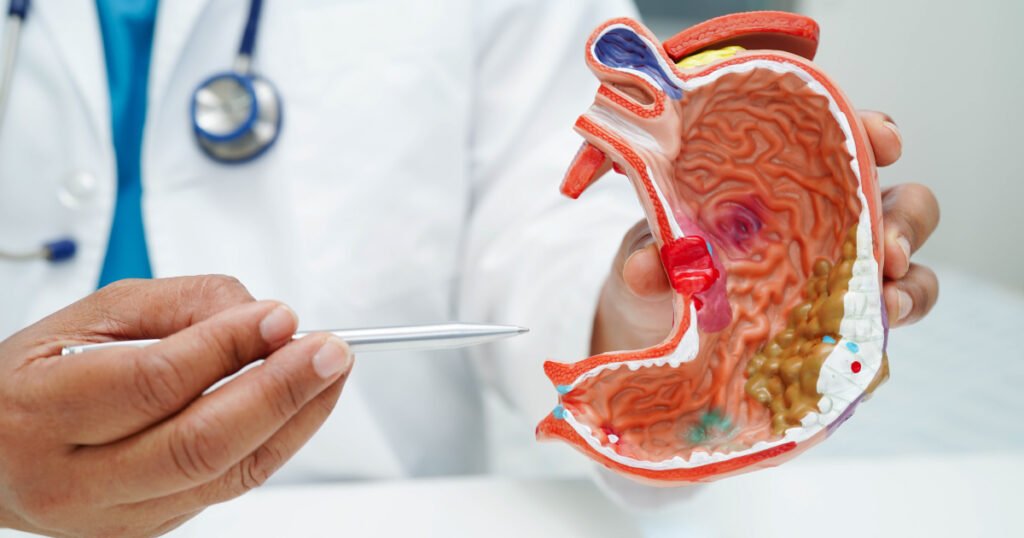
What Does a Gastroenterologist Do?
A gastroenterologist treats digestive system problems. This includes the oesophagus, stomach, intestines, rectum, pancreas, and gallbladder. People often look for a “stomach” specialist or a “liver specialist in Lahore“, but find these are the same type of doctor, since liver and digestive issues fall under gastroenterology.
They help with issues like acid reflux, ulcers, irritable bowel syndrome, inflammatory bowel disease, gallstones, hepatitis, and fatty liver. Gastroenterologists also perform procedures like upper GI endoscopy and colonoscopy to view the digestive tract, and they can take small tissue samples (biopsies) if something looks unusual.
When Should You See a Doctor for Stomach Problems?
A useful rule is to act when a symptom lasts longer than two weeks, keeps coming back, or interferes with eating, sleeping or work. Go sooner if you are over 45 and have new digestive symptoms, if bowel cancer or liver disease runs in your family, or if any of the signs above appear together. Go straight to an emergency department for severe abdominal pain, vomiting blood, black stools with dizziness, or a rigid, swollen abdomen.
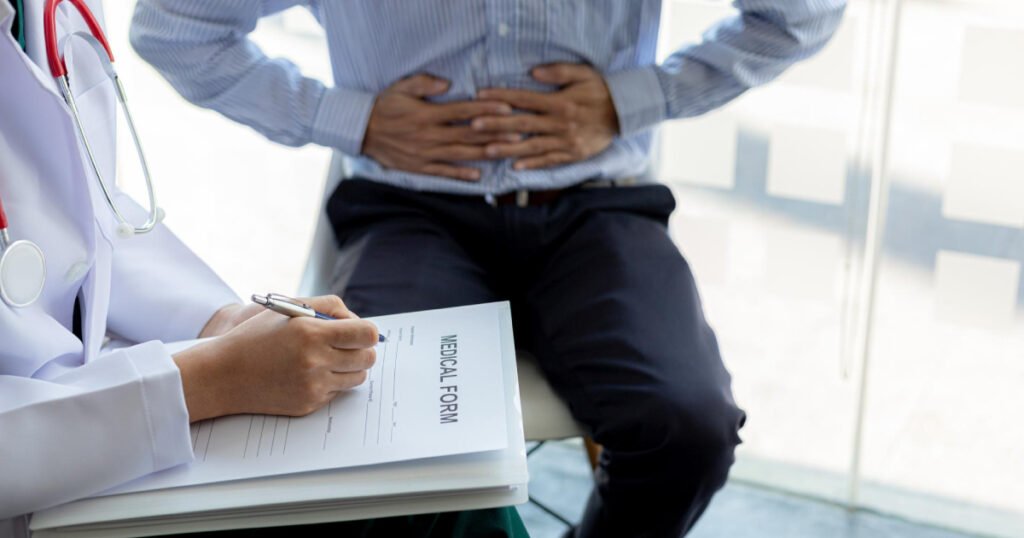
What Happens at Your First Gastroenterology Appointment?
Your first visit will mostly be a conversation. The doctor will ask about your symptoms, how long you’ve had them, what you eat, any medicines you take, your past surgeries, and your family history. After that, the doctor will examine your abdomen and may suggest tests.
What tests might a gastroenterologist arrange?
- Blood and stool tests
- Ultrasound or CT scan
- Upper GI endoscopy
- Colonoscopy
- Breath tests
Can a Gastroenterologist Help With Weight Loss?
They help treat weight loss that’s caused by digestive problems. If conditions like fatty liver, coeliac disease, or nutrient absorption issues affect your weight, a gastroenterologist can help. For general weight management, you might see a dietitian or a bariatric team, but a gastroenterologist gets involved when the liver or digestive system is part of the issue.
Book a Consultation With Dr. Fahd Aziz Rana, Gastroenterologist in Lahore
If you’re dealing with persistent heartburn, abdominal pain, unexplained weight loss, or other digestive symptoms, don’t ignore the warning signs. Dr. Fahd Aziz Rana, a UK-trained gastroenterologist, hepatologist, and interventional endoscopist at Omar Hospital & Cardiac Centre, Johar Town, Lahore, provides specialist care for digestive and liver conditions. With advanced training in gastroenterology, hepatology, and ERCP, he can evaluate your symptoms and advise the right next steps.
Book your consultation with Dr. Fahd Aziz Rana today.
Frequently Asked Questions
How do I find the best gastroenterologist in Lahore?
Look for a doctor with recognised postgraduate training in gastroenterology, hands-on endoscopy experience, a registered clinic or hospital affiliation, and honest patient reviews. A good specialist explains the diagnosis clearly and does not recommend tests without a reason.
Do I need a referral to see a gastroenterologist?
Not in most private clinics in Pakistan. You can book directly, although bringing earlier reports helps.
Can stress cause digestive symptoms?
Stress can worsen conditions like irritable bowel syndrome and reflux, but it should not be assumed to be the cause when warning signs such as bleeding, weight loss, or jaundice are present.