
Fatty liver disease is now one of the fastest-growing health concerns in Pakistan. Studies and clinical observations across major cities suggest that a significant portion of the adult population may have some degree of fatty liver, often without knowing it. If you’re concerned about your risk, a liver specialist that patients trust, such as Dr. Fahd Aziz Rana, can help you understand where you stand.
Understanding why fatty liver is becoming so common and what can be done about it starts with knowing when to see a hepatologist or a qualified gastroenterologist.
What Is Fatty Liver Disease?
Fatty liver disease occurs when excess fat accumulates in liver cells. It’s broadly divided into two categories:
- Non-Alcoholic Fatty Liver Disease (NAFLD): the far more common type in Pakistan, unrelated to alcohol consumption
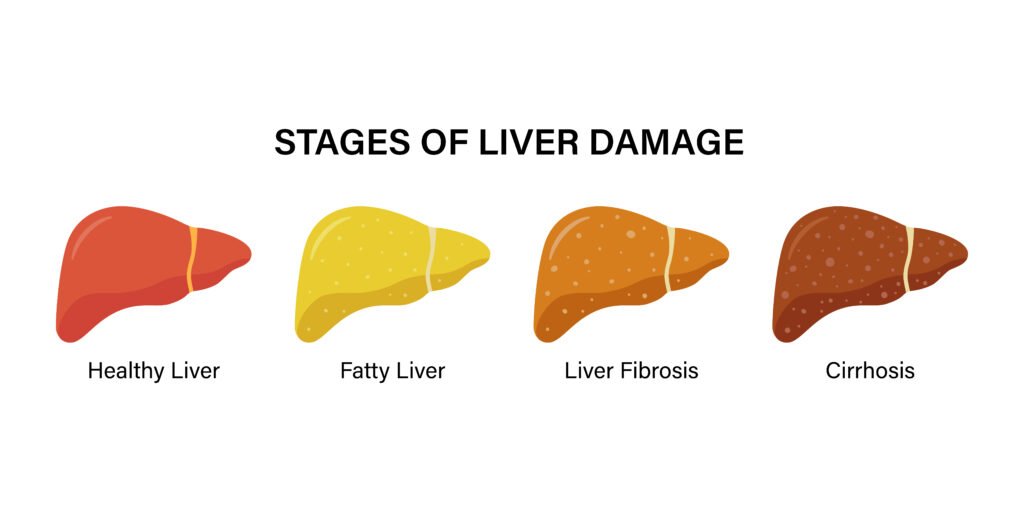
- Non-Alcoholic Steatohepatitis (NASH): a more advanced stage where fat accumulation causes inflammation and liver cell damage, which can progress toward fibrosis or cirrhosis if untreated
Why Is Fatty Liver Disease Rising So Sharply in Pakistan?
Several overlapping factors are driving the trend:
- Rising obesity rates, linked to increasingly sedentary lifestyles and urbanization.
- Diets high in refined carbohydrates, sugar, and fried foods, common in both home cooking and fast-food consumption.
- Type 2 diabetes and insulin resistance, which are closely associated with fat accumulation in the liver.
- Limited physical activity, especially in urban centers where walking and manual activity have declined.
- Genetic predisposition may make South Asian populations more susceptible to fat accumulation, even at lower body weights than Western populations.
Symptoms: Why It Often Goes Unnoticed
Fatty liver disease is often called a “silent” condition because early stages rarely cause noticeable symptoms. When symptoms do appear, they are usually nonspecific: fatigue, mild discomfort in the upper right abdomen, or unexplained weakness. This is why many cases in Pakistan are discovered incidentally during an ultrasound or blood test ordered for another reason, rather than through a specific complaint.
How a Hepatologist Diagnoses Fatty Liver Disease
A liver specialist uses a combination of the following to confirm and stage the condition:
- Liver function tests (blood work) to check for elevated liver enzymes
- Abdominal ultrasound, often the first imaging step to detect fat accumulation
- FibroScan or elastography, to assess the degree of liver stiffness and fibrosis
- Endoscopy test, in select cases where advanced liver disease raises concern about related complications such as esophageal varices
Prevention: What Actually Helps
The encouraging part of fatty liver disease is that it’s largely reversible in its early stages through lifestyle change:
- Gradual, sustainable weight loss; even a 7-10% reduction in body weight has been shown to meaningfully improve liver fat content.
- Reducing sugar and refined carbohydrate intake, particularly sugary drinks.
- Regular physical activity, ideally a mix of aerobic exercise and strength training.
- Managing underlying conditions like diabetes, high cholesterol, and high blood pressure.
- Limiting or avoiding alcohol, which compounds liver strain even in non-alcoholic fatty liver disease.
Treatment Options
There is currently no single medication approved specifically to cure fatty liver disease, so treatment focuses on addressing the underlying drivers: weight management, blood sugar control, and cholesterol management, along with regular monitoring of liver enzymes and imaging. In more advanced cases involving significant fibrosis, closer specialist management is needed to prevent progression toward cirrhosis.
When to See the Best Gastroenterologist in Lahore
If you have risk factors like obesity, diabetes, high cholesterol, or a family history of liver disease, or if a routine blood test has shown elevated liver enzymes, it’s worth consulting the best gastroenterologist in Lahore you can access for a proper evaluation. Early detection makes a meaningful difference, since fatty liver disease caught in its earlier stages responds well to lifestyle changes, while advanced, untreated cases carry a real risk of progressing to cirrhosis.
Fatty liver disease is rising rapidly across Pakistan, driven largely by diet, obesity, and diabetes, but it is also one of the more preventable and reversible liver conditions when caught early. If you’re concerned about your risk, a consultation with a qualified liver specialist like Dr. Fahd Aziz Rana can help determine where you stand and what steps will protect your liver health moving forward.