
Noticing a yellow tint in your eyes or skin can be alarming, and it should require a visit to a doctor. This yellowing, known as jaundice, is not a disease itself but a sign that something is affecting how your liver processes a substance called bilirubin.
Because jaundice is one of the more visible liver disease symptoms, understanding what causes it can help you recognize when it’s time to seek medical attention.
What Causes the Yellow Color?
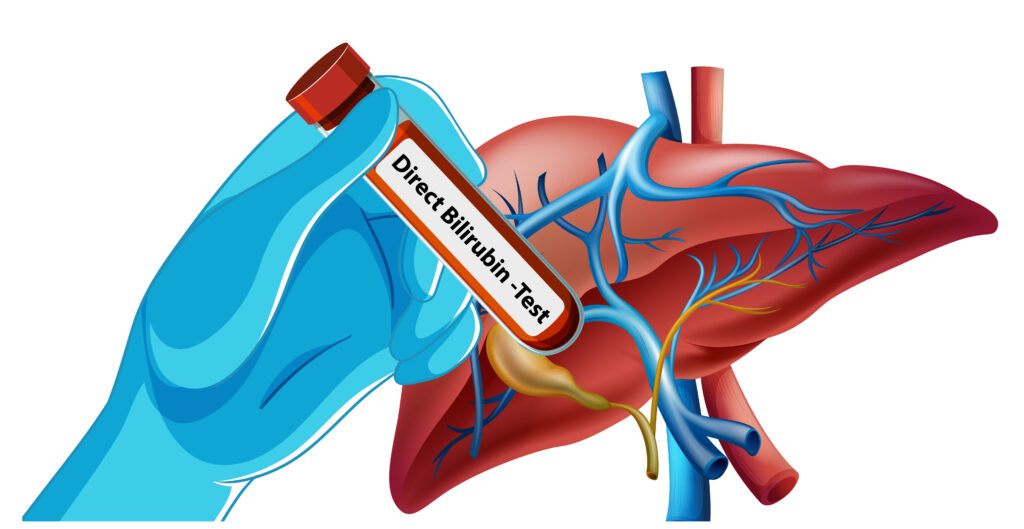
Jaundice is caused by the buildup of bilirubin in the blood. Bilirubin is a yellow-orange substance formed when the body breaks down old red blood cells. Normally, the liver processes bilirubin and releases it into bile, which is then excreted from the body through the digestive tract.
In the bile ducts, if something disrupts this process in the liver itself, or even before bilirubin reaches the liver, it can back up in the bloodstream and deposit in tissues, including the whites of the eyes (sclera) and the skin, giving the yellow color associated with jaundice.
How the Liver Normally Handles Bilirubin
To understand why jaundice occurs, it helps to understand the liver’s basic function in the human body. The liver plays a central role in the following:
- Filtering toxins and waste products from the blood
- Processing bilirubin from broken-down red blood cells
- Producing bile, which aids digestion and carries waste out of the body
- Metabolizing medications and nutrients
- Producing proteins essential for blood clotting
If the liver is not working properly due to disease, blockage, or injury, it cannot process bilirubin efficiently, and jaundice may result.
Common Causes of Jaundice
Jaundice can result from problems at several points along the bilirubin pathway:
Liver-related causes:
- Hepatitis (viral, alcoholic, or autoimmune)
- Cirrhosis of the liver
- Fatty liver disease
- Liver cancer or tumors affecting liver tissue
Bile duct-related causes:
- Gallstones blocking the bile duct
- Strictures or narrowing of the bile ducts
- Tumors compressing the bile duct
Blood-related causes:
- Conditions that cause too much breakdown of red blood cells (hemolysis), which can overwhelm the liver’s ability to process even if the liver is healthy
Other Liver Disease Symptoms to Watch For
Jaundice rarely occurs alone. Other liver problem symptoms that often cause yellowing of the eyes and skin include the following:
- Dark-colored urine
- Pale or clay-colored stools
- Persistent fatigue
- Abdominal pain or swelling, particularly in the upper right side
- Nausea or loss of appetite
- Itchy skin
- Easy bruising or bleeding
If jaundice occurs with several of these symptoms, it is a stronger indication that liver function needs to be checked immediately.
How Doctors Diagnose the Cause
When a patient presents with jaundice, a doctor will typically start with a liver function test, a blood panel that measures liver enzymes, bilirubin levels, and liver-produced protein. Based on these results, further testing may include:
- Abdominal ultrasound to check for blockages, gallstones, or liver abnormalities
- Additional blood tests to check for viral hepatitis or autoimmune conditions
- Imaging such as CT or MRI for more detailed evaluation of the liver and bile ducts
- In some cases, a liver biopsy to assess the extent of liver damage
When to See a Doctor
One should never ignore the yellowing of the eyes or skin, even if it seems mild. If you notice the following, see a liver specialist immediately:
- Any new yellowing of the eyes or skin
- Jaundice accompanied by fever, severe abdominal pain, or confusion
- Dark urine or pale stools alongside yellowing
- Jaundice in a newborn that persists or worsens after the first couple of weeks of life
Early evaluation is important because the underlying condition, such as a blocked bile duct, viral hepatitis, or another liver disease, may be more treatable if it is identified early.
Wrapping Up
The yellow discoloration of the eyes and skin is a sign the liver is not functioning properly in the processing of bilirubin. Its causes can be relatively benign, such as early liver disease or more severe liver disease, but it is always a worthwhile investigation.
Don’t wait to find out what’s behind your liver disease symptoms. Omar Hospital & Cardiac Center offers comprehensive evaluation of liver function and individual treatment plans led by Dr. Fahd Aziz Rana. Make an appointment today to learn what to expect and begin the appropriate treatment sooner.