
Endoscopy is one of the most important tools of modern gastroenterology, allowing specialists to explore the digestive system in a safe, minimally invasive manner. This is a common procedure. Many patients wonder if it is considered surgery; the answer is no.
This minimally invasive procedure examines the digestive tract and diagnoses a wide range of gastrointestinal conditions. Understanding how it differs from surgery can help patients feel more informed and prepared before their appointment.
What Is an Endoscopy?
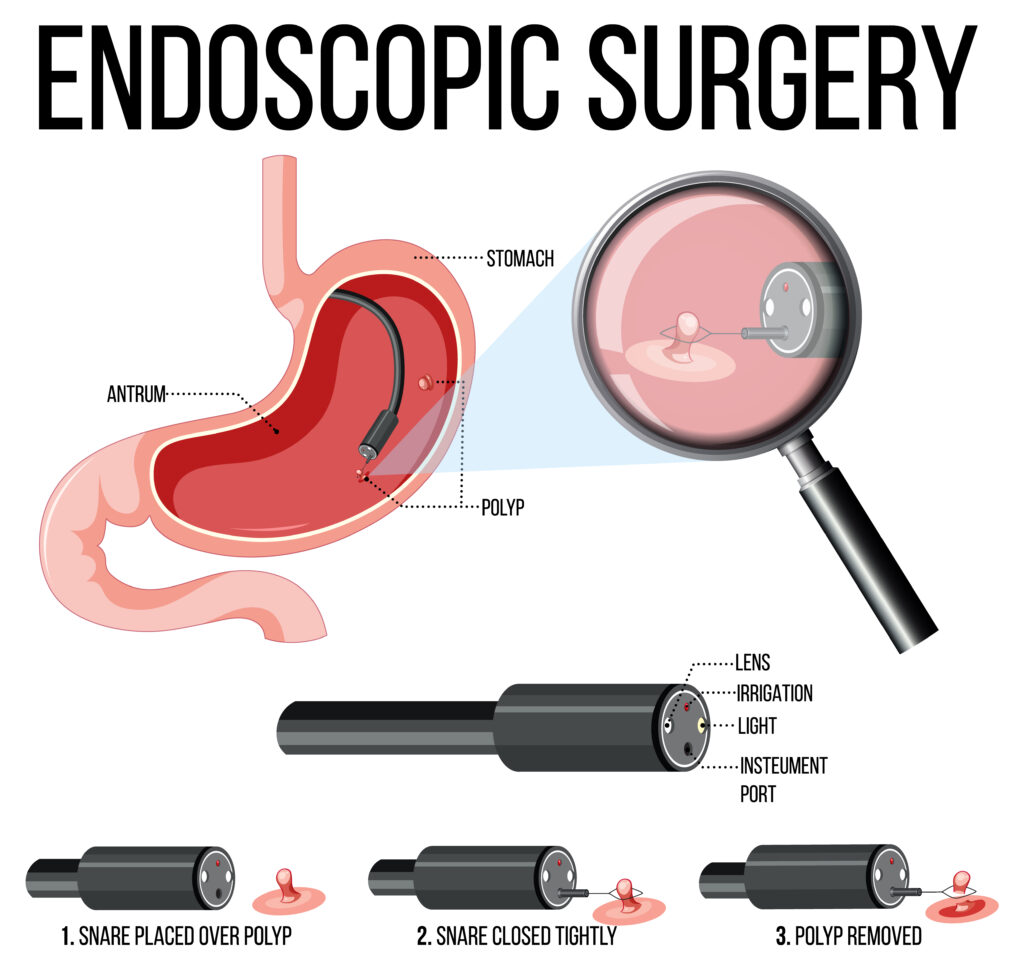
It’s a procedure in which a thin flexible tube with a camera attached is inserted into your digestive tract. The scope is passed through the mouth so that the doctor can see the oesophagus, stomach, and the upper part of the small intestine in real time.
An endoscopic procedure may be recommended to investigate the following:
- Persistent acid reflux
- Difficulty swallowing
- Chronic stomach pain
- Unexplained nausea or vomiting
- Gastrointestinal bleeding
- Suspected ulcers or inflammation
Is an Endoscopic Procedure Considered a Surgery?
No, you don’t usually refer to an endoscopic procedure as surgery.
Unlike conventional surgery, endoscopy gives access to the digestive tract without external cuts. Instead, the endoscope is guided through a natural opening in the body, resulting in a less invasive procedure and faster recovery.
Most patients go home the same day and can resume normal activities shortly after the sedative effects wear off.
How Is an Endoscopic Procedure Different from Surgery?
Here’s how an endoscopic procedure is different from surgery:
| Endoscopy | Traditional Surgery |
| No external incisions | Requires surgical incisions |
| Usually performed as an outpatient procedure | May require hospitalization |
| Short recovery time | Longer recovery period |
| Primarily diagnostic, with some therapeutic uses | Primarily performed for treatment |
Because of these distinctions, an endoscopic procedure is viewed as a diagnostic or therapeutic procedure rather than a surgical operation.
Can an Endoscopy Be Used for Treatment?
Yeah. While an endoscopic procedure is often used for diagnosis, it can also be used to perform certain treatments during the same procedure. These include:
- Taking tissue samples for biopsy
- Removing small polyps
- Treating sources of gastrointestinal bleeding
- Widening narrowed sections of the esophagus
Sometimes these treatments can help patients avoid more invasive surgery.
What Happens During an Endoscopic Procedure?
Patients are typically sedated to ensure comfort during the entire procedure. The process usually involves:
- Preparation and administration of sedation.
- Introduction of the endoscope into the mouth.
- Study of the digestive tract.
- Biopsy collection or treatment if required.
- Recovery and discharge.
The actual exam is usually less than 30 minutes.
Is it Safe to Have an Endoscopic Procedure?
Endoscopy is a safe and commonly performed procedure when performed by an experienced gastroenterologist. While complications are uncommon, potential risks may include:
- Bleeding
- Infection
- Reactions to sedation
- Perforation of the digestive tract (rare)
Your specialist will discuss the risks with you and answer any questions before the procedure.
When Should You Discuss Endoscopy With a Gastroenterologist?
If your symptoms continue or require further investigation, your doctor may recommend an endoscopic procedure, including the following:
- Frequent heartburn or acid reflux
- Difficulty swallowing
- Ongoing upper abdominal pain
- Unexplained weight loss
- Vomiting blood
- Black or tarry stools
Prompt evaluation for digestive conditions may support earlier identification and more effective treatment.
Worried about digestive symptoms? Consult Dr. Fahd Aziz Rana
If you have ongoing digestive symptoms or have been advised to have an endoscopic procedure, consulting with an experienced gastroenterologist can help ensure that the correct diagnosis and treatment plan are provided.
Dr. Fahd Aziz Rana provides detailed assessment and advanced endoscopic evaluation for a variety of gastrointestinal conditions, including acid reflux, stomach problems, difficulty swallowing, ulcers, and gastrointestinal bleeding.
Schedule a consultation with Dr. Fahd Aziz Rana to discuss your symptoms and determine if an endoscopy is the right step for understanding and managing your digestive health.
FAQs
Is an Endoscopy Painful?
Most patients will not experience pain during an endoscopic procedure because sedation is usually given. You might get a mild sore throat afterwards, but this is temporary.
How Much Time Does an Endoscopic Procedure Take From Start to Finish?
The procedure usually takes anywhere from 15 to 30 minutes. Most appointments take 1-2 hours, including prep and recovery time.
What Diseases Can Be Detected by an Endoscopic Procedure?
An endoscopic procedurecan help diagnose acid reflux, ulcers, gastritis, Barrett’s oesophagus, coeliac disease, gastrointestinal bleeding and some digestive tract cancers.
What Are the Common Side Effects of an Endoscopic Procedure?
Common side effects include a mild sore throat, bloating, or drowsiness from sedation. These symptoms usually resolve within a short time.