
If you suffer from ongoing stomach pain, acidity, or bloating, it can start to impact your daily life and make even simple meals uncomfortable. If the symptoms persist and the cause is not obvious, the doctor may suggest an endoscopy to safely and accurately determine the cause.
While many people worry about endoscopy side effects, gastrointestinal endoscopy is a routine procedure with a high degree of safety when performed by experienced specialists such as Dr Fahd, which helps in early diagnosis of digestive problems.
What Is Gastrointestinal Endoscopy?
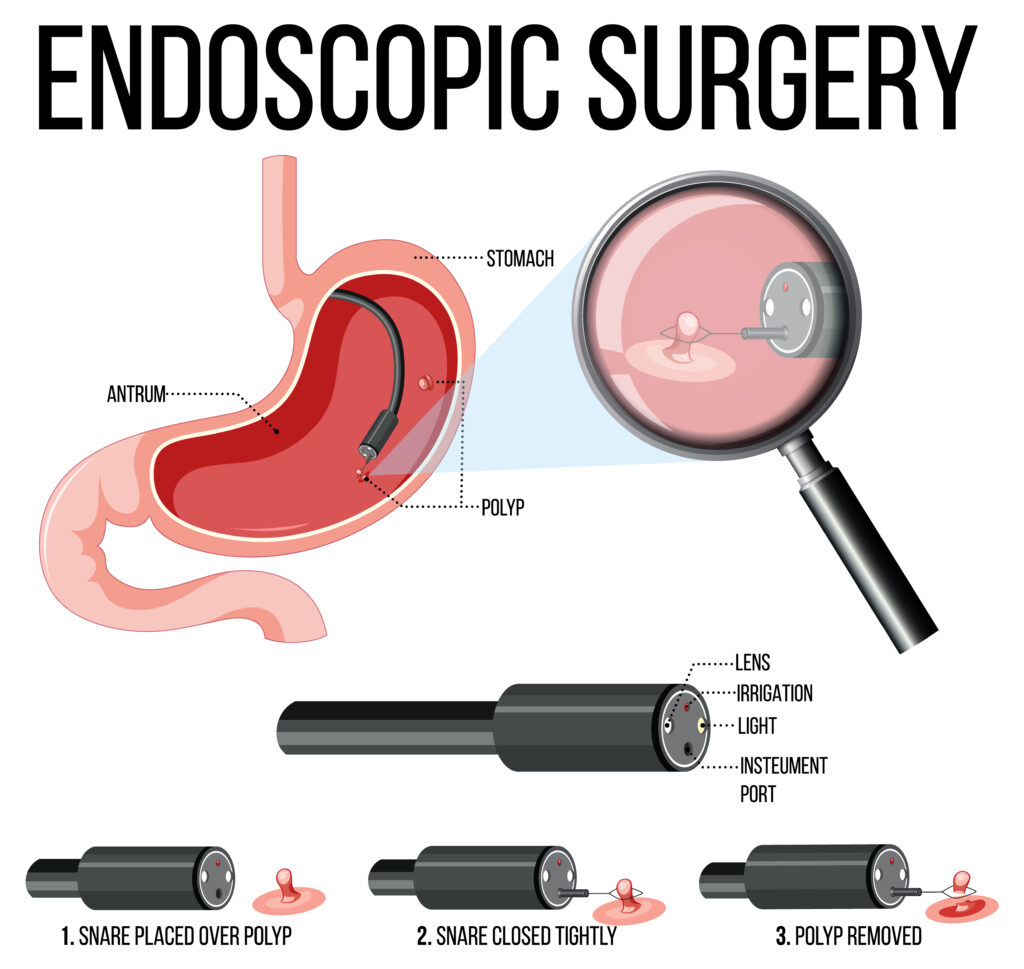
Gastrointestinal endoscopy is a procedure that uses a thin, flexible tube with a light and a camera to look inside the digestive tract. It allows doctors to see the lining of the food pipe, stomach, and intestines in detail.
An endoscopy may be recommended to investigate the following:
- Persistent acidity or reflux
- Difficulty swallowing
- Unexplained stomach pain
- Nausea or vomiting
- Bleeding from the digestive tract
- Changes in bowel habits
- Need for biopsy or tissue sampling
It is one of the most accurate ways to diagnose digestive problems early.
Is Gastrointestinal Endoscopy Safe?
Yes, gastrointestinal endoscopy is a safe procedure that is performed daily worldwide. When conducted under experienced gastroenterologists such as Dr Fahd, it becomes even more reliable due to careful planning and patient-focused care. Modern healthcare facilities use the following:
- Advanced endoscopy equipment
- Experienced gastroenterologists
- Trained nursing staff
- Continuous patient monitoring
- Sterilized instruments
- Recovery observation areas
Most endoscopy side effects are minor and temporary. Serious complications are rare, especially when patients follow preparation instructions.
Rare Risks of Gastrointestinal Endoscopy
Endoscopy carries minor risks, as it does with any medical procedure. But these complications are uncommon, and medical teams are primed to respond quickly.
- Bleeding
Minor bleeding may occur, especially if a biopsy is taken or a polyp is removed. It is usually mild and treatable.
- Perforation
A small tear in the digestive tract wall is rare but may require additional care.
- Sedation-Related Reactions
Some patients may react to sedative medication. That is why heart rate, oxygen, and breathing are monitored throughout the procedure.
- Infection
The risk of infection is very low because strict sterilisation protocols are followed.
- Breathing or Aspiration Issues
Rarely, food or fluid may enter the airway if fasting instructions are not followed properly.
Common Minor Endoscopy Side Effects
Most patients recover quickly and notice only mild symptoms for a short time. These symptoms often improve within a few hours. Common endoscopy side effects include:
- Mild sore throat
- Temporary bloating
- Gas discomfort
- Light cramping
- Drowsiness after sedation
- Mild nausea
High Safety Standards That Protect Patients
Patient safety is built into every step of the procedure.
Pre-Procedure Evaluation
Doctors review your symptoms, medical history, allergies, and medications before proceeding.
Sterilized Equipment
Scopes and accessories are cleaned and disinfected using medical-grade systems.
Continuous Monitoring
During the procedure, the staff monitors the following:
- Heart rate
- Blood pressure
- Oxygen levels
- Breathing pattern
Skilled Specialists
Experienced teams use proven techniques to perform the procedure smoothly and safely.
Recovery Observation
Patients are observed after sedation until fully alert and stable.
Factors That Improve Safety Further
Patients also help reduce endoscopy side effects by sharing accurate medical information.
Tell your doctor about:
- Blood-thinning medicines
- Diabetes medication
- Allergies
- Heart or lung disease
- Previous reactions to sedation
- Pregnancy status
How to Prepare for an Endoscopy
Getting directions before the procedure can help with safety and comfort. Preparation may involve:
- Avoid eating for the advised number of hours
- Stop certain medicines if instructed
- Arrange for someone to take you home
- Wear comfortable clothing
- Bring previous reports if available
If you accidentally eat or drink before the procedure, contact your clinic for guidance.
What to Expect During the Procedure
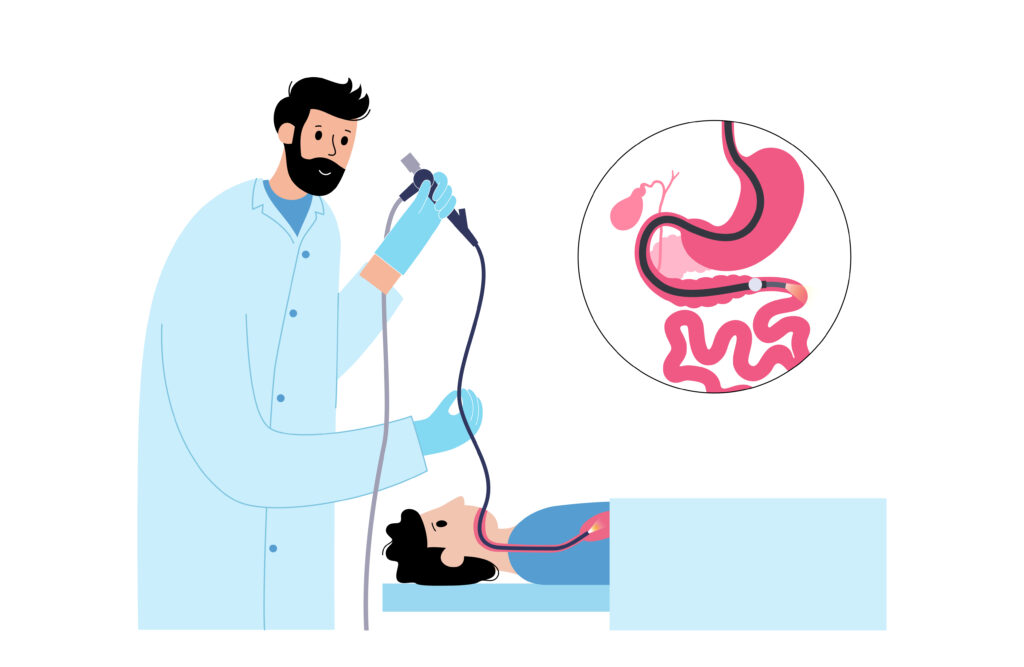
The procedure is typically brief and closely monitored. You may be given sedation to help you relax. During endoscopy:
- You will lie comfortably on an examination bed
- Monitoring devices may be attached
- The scope is gently inserted
- The doctor examines the digestive tract
- Tissue samples may be taken if needed
Most patients are surprised by how quick and manageable the procedure feels.
What to Expect After the Procedure
Recovery is usually smooth. If sedation were used, you might feel sleepy for a short time. After the test:
- Rest until fully alert
- Avoid driving the same day
- Resume diet as instructed
- Expect mild bloating or throat irritation temporarily
Most people return to their normal routine within a day.
When to Call a Doctor After Endoscopy
Serious problems are rare, but seek medical attention if you experience:
- Severe abdominal pain
- Fever
- Difficulty breathing
- Vomiting blood
- Black stools
- Heavy bleeding
- Persistent chest pain
These symptoms should be assessed promptly.
Understanding Your Results
Some findings may be discussed immediately after the procedure. If biopsies were taken, lab results may take several days.
Endoscopy can help detect:
- Gastritis
- Ulcers
- Reflux damage
- Polyps
- Inflammation
- Infections
- Early warning signs of serious disease
Benefits of Gastrointestinal Endoscopy
Despite concerns about endoscopy side effects, the benefits often outweigh the risks, especially when performed by specialists such as Dr Fahd Aziz Rana. Key advantages include the following:
- Accurate diagnosis
- Early disease detection
- Guided treatment planning
- Minimally invasive approach
- Ability to take biopsy samples
- Fast recovery time
Tips for a Smooth and Stress-Free Experience
A little preparation can make the experience easier. Helpful tips:
- Ask questions before the procedure
- Follow fasting instructions carefully
- Share complete medical history
- Arrange transport home
- Stay calm and trust your care team
FAQs
Is endoscopy a safe procedure?
Yes, it is considered very safe when performed by qualified specialists like Dr Fahd in a proper medical facility.
Are endoscopy side effects common?
Minor side effects, such as bloating or a sore throat, may happen temporarily. Serious complications are rare.
Is endoscopy painful?
Most patients experience little discomfort. Sedation and modern techniques add to comfort.
What diseases can be detected by an endoscopy?
It can detect ulcers, inflammation, reflux disease, bleeding, infections, polyps, and other digestive conditions.
How long does recovery take?
Most patients recover the same day, although mild tiredness may last a few hours.