
Difficulty swallowing can be unsettling, but it is a common problem with identifiable causes. If food feels stuck in your chest, you cough or choke during meals, or you struggle to swallow even your own saliva, your body is telling you that something along the swallowing pathway needs attention.
Many people ignore this for months, assuming it is acidity or “just stress”. But persistent swallowing difficulty is a symptom you should never ignore. A gastroscopy lets a gastroenterologist look directly at your food pipe (oesophagus), stomach, and the first part of the small intestine to find the cause quickly.
What Is Difficulty Swallowing Called?
Difficulty in swallowing is medically called dysphagia. It can feel like:
- Food or pills “sticking” in the throat or behind the breastbone
- Pain while swallowing (odynophagia)
- Coughing, choking, or a wet-sounding voice after eating
- Needing to swallow several times or drink water to push food down
- Food coming back up (regurgitation)
- Unintentional weight loss because eating has become hard
Doctors divide dysphagia into two broad types:
- Oropharyngeal dysphagia: the problem starts in the mouth or throat, so swallowing is hard to initiate.
- Esophageal dysphagia: the food pipe is narrowed, blocked, or not moving food properly, so food feels stuck after it has been swallowed.
A gastroscopy mainly evaluates the second type, which is also more likely to have a structural cause.
Is Difficulty Swallowing a Sign of Cancer?
It can be, which is exactly why doctors take it seriously. Cancer of the oesophagus, and sometimes the upper stomach, can narrow the food pipe and lead to progressive swallowing difficulty. It often starts with solid foods like bread or meat, then worsens until even liquids are hard to swallow.
That said, dysphagia can have many causes, and most are treatable. Reflux damage, strictures, and allergic inflammation are all common. The only reliable way to know which one you have is to look inside and, if needed, take a tissue sample. Early diagnosis makes treatment far more effective, so waiting is the riskiest choice.
Why Am I Suddenly Having Trouble Swallowing?
A sudden change can result from a short-term cause, such as a throat infection, a swallowed bone or pill lodged in the oesophagus, or severe inflammation. But sudden or worsening swallowing trouble that lasts more than a couple of weeks or keeps coming back needs medical evaluation rather than home remedies.
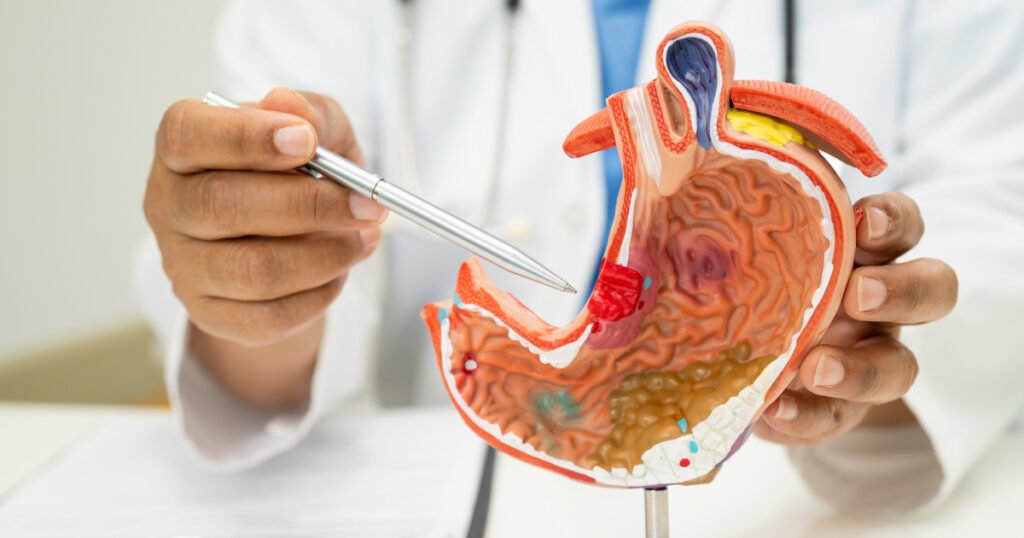
Why You Need an Urgent Gastroscopy Test
A gastroscopy (also called upper GI endoscopy) uses a thin, flexible tube with a camera and light. It gives a clear, real-time view of the lining and lets the doctor treat certain problems during the same visit. Here is what it can find in someone with dysphagia.
1. Esophageal strictures
A stricture is a narrowing of the food pipe, most often caused by long-standing acid reflux that scars the lining. It may also follow swallowing of corrosive substances, radiation or previous procedures. Food gets caught at the narrow point. Gastroscopy confirms the stricture and, in many cases, allows it to be gently stretched (dilated) in the same session.
2. Tumours or growths
Benign growths and cancers can block the oesophagus from inside or press on it. Gastroscopy shows their location and size, and a biopsy can tell whether they are cancerous. This is the main reason dysphagia is treated as urgent in adults, especially those over 50 or with other warning signs.
3. Eosinophilic oesophagitis (EoE)
EoE is an allergic-type inflammation of the oesophagus, often linked to food triggers. It commonly causes food impaction (a bite of food stuck and not passing), and it can look quite subtle or even normal on the surface. Biopsies are essential to diagnose it, which is why a gastroscopy is needed rather than only a barium swallow X-ray.
4. Motility disorders
Sometimes the food pipe looks structurally normal, but the muscles do not squeeze food down properly, or the valve at the bottom (the lower oesophageal sphincter) does not relax. Achalasia is the best-known example. Gastroscopy helps rule out blockages and tumours that can mimic these disorders, and further tests such as oesophageal manometry may then be advised.
5. Biopsy and treatment in the same visit
A gastroscopy is not only a diagnostic test. During the procedure, the doctor can:
- Take small tissue samples (biopsies) for the lab
- Stretch narrowed areas
- Identify reflux damage such as erosions or Barrett’s oesophagus
- Check for ulcers, infections or bleeding sources
This saves time, which matters when symptoms are progressing.
Warning Signs That Need Immediate Action
Do not wait for an appointment slot if you notice any of the following. Get medical help promptly:
- You cannot swallow saliva or are drooling because swallowing is so difficult
- Food is completely stuck, and you cannot keep any liquid down
- Swallowing difficulty with chest pain, breathlessness or choking
- Unexplained weight loss along with trouble swallowing
- Vomiting blood, black tarry stools, or signs of anaemia (extreme tiredness, pallor)
- Pain while swallowing that is steadily worsening
- Hoarseness or a persistent cough that doesn’t go away
- A lump in the neck or throat
- Symptoms that are getting worse week by week
If you cannot swallow your own saliva or breathing is affected, go to an emergency department right away.
When Should I Be Worried About Trouble Swallowing?
A good rule of thumb: if swallowing difficulty lasts more than two weeks, happens repeatedly, or is getting worse, book an evaluation. Treat it as urgent if you also have any of the warning signs above. Occasional, brief throat discomfort during a cold is different from food feeling stuck in the chest after eating again and again.
What Causes Dysphagia?
Causes fall into a few groups:
- Nervous system and brain disorders: stroke, Parkinson’s disease, multiple sclerosis, dementia and other conditions that disrupt the nerve signals controlling swallowing.
- Muscle disorders: conditions that weaken the muscles of the throat or oesophagus, or stop them coordinating properly (such as achalasia or scleroderma).
- Narrowing, blockages and structural issues: strictures, tumours, oesophageal rings or webs, diverticula, or pressure from structures outside the oesophagus.
- Inflammation: reflux disease (GERD) and eosinophilic oesophagitis.
What to Expect From a Gastroscopy
- Gastroscopy preparation: you will usually be asked to fast for several hours beforehand. Tell your doctor about any blood thinners, diabetes medicines or allergies, as these may need adjusting.
- Gastroscopy procedure: the throat is numbed with a spray, and, in many cases, light sedation is given for comfort. The thin scope is passed gently through the mouth, and the examination typically takes only a few minutes. Biopsies, if needed, are painless.
Is gastroscopy painful? It is generally well tolerated. Most people feel pressure or mild gagging rather than pain, and sedation keeps discomfort low.
After the test: you may have a mild sore throat or bloating for a short time. Most patients go home the same day, and your doctor will explain when you can eat and drink again. Rarely, serious complications can occur, and your gastroenterologist will discuss these with you beforehand.
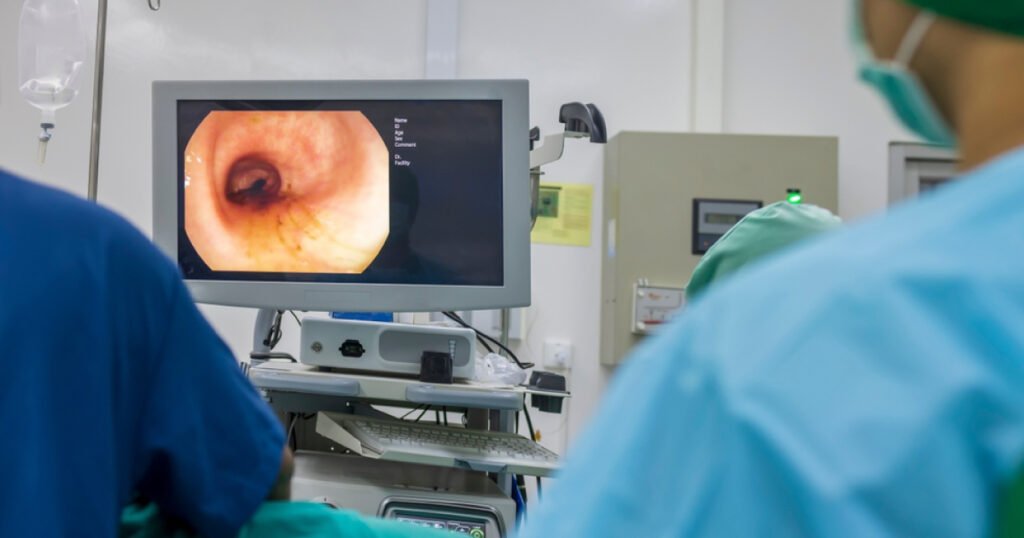
Don’t Wait: Get Your Swallowing Problem Checked
If food keeps sticking, swallowing hurts, or something just feels wrong, an early gastroscopy test can bring clarity and, in many cases, relief during the same visit.
Looking for a trusted gastroenterologist in Lahore? Book a consultation with Dr. Fahd Aziz Rana today.
Frequently Asked Questions
Is difficulty swallowing always serious?
No, but it should never be ignored if it persists, recurs, or worsens. Many causes are easy to treat when found early.
Why does food feel stuck in my chest after eating?
Common causes include a narrowed oesophagus, reflux-related inflammation, EoE, or a muscle movement disorder. A gastroscopy can identify the cause.
Can I have a gastroscopy if I think the problem is only acidity?
Yes. If symptoms include swallowing difficulty, an endoscopy is advised rather than guessing, because acidity can cause damage that leads to strictures.