
Your first appointment with a gastroenterologist in Lahore will feel much easier if you know what to expect. It’s normal to feel nervous about the questions, the exam, or the chance of an endoscopy, especially if you’ve had symptoms like stomach pain, acidity, bloating, or changes in your bowels for a while.
This guide will take you through each part of your visit, including the conversation, the exam, possible tests, and what to bring. This way, you can make the most of your time with the doctor.
What Is a Gastroenterology Appointment?
A gastroenterology appointment is a meeting with a doctor who focuses on the digestive system, including the food pipe, stomach, intestines, liver, gallbladder, and pancreas. Many people call this doctor a stomach specialist. The first visit focuses on understanding your symptoms and deciding whether any tests are needed.
When choosing a certified gastroenterologist in Lahore, check that the doctor is PMDC-registered and has postgraduate training in gastroenterology, such as FCPS or a similar qualification. For the best care, see if the clinic offers endoscopy and ultrasound on site, as this can save you extra visits.
Can I Eat Before a Gastroenterology Appointment?
If you’re just coming for a consultation, you can usually eat and drink as normal. A light meal is fine, and it’s better to arrive comfortable than hungry.
You only need to fast if you have a procedure or a fasting blood test planned for the same visit. The following endoscopy instructions are common, but always follow your clinic’s advice first:
- Endoscopy or sedation: no solid food for roughly 6 to 8 hours beforehand, with clear sips of water allowed as advised.
- Fasting blood tests: usually 8 to 10 hours without food.
- Medicines: Keep taking your usual medicines unless your doctor says otherwise. Be sure to tell the doctor if you take blood thinners or diabetes medicines before any procedure. When you book, ask the clinic whether you should fast.
Step 1: A Detailed Medical History and Discussion
The first and longest part of your visit is a conversation. The doctor will spend more time listening than examining, since your history often gives the best clues for a diagnosis: when it started, how often it happens, and what makes it better or worse.
- Diet and lifestyle: meal timing, spicy or oily food, tea and soft drinks, smoking, alcohol, sleep, stress and physical activity.
- Medical and surgical history: past stomach, liver or bowel problems; diabetes; blood pressure; previous operations; and any earlier endoscopy.
- Family history: digestive cancers, liver disease, coeliac disease or inflammatory bowel disease in close relatives.
- Medications: prescriptions, over-the-counter painkillers, herbal remedies and supplements, since some irritate the stomach lining.
Symptoms to Tell Your Gastroenterologist
Share all your symptoms, even if they seem unrelated or embarrassing. Doctors hear these issues every day, and small details can make a big difference in your diagnosis.
- Heartburn, acid reflux or a sour taste in the mouth
- Stomach pain, cramping, bloating or excess gas
- Constipation, diarrhoea or a change in your usual bowel habits
- Nausea, vomiting or early fullness after eating
- Trouble or pain when swallowing
- Loss of appetite or unexplained weight loss
- Blood in the stool, black stools or bleeding after passing stool
- Yellow eyes or skin, dark urine or persistent tiredness
For each symptom, note when it started, how long it lasts, what brings it on, and whether it wakes you up at night. Let the doctor know right away if you have bleeding, trouble swallowing, or unexplained weight loss, as these need quicker attention.
Step 2: The Physical Examination
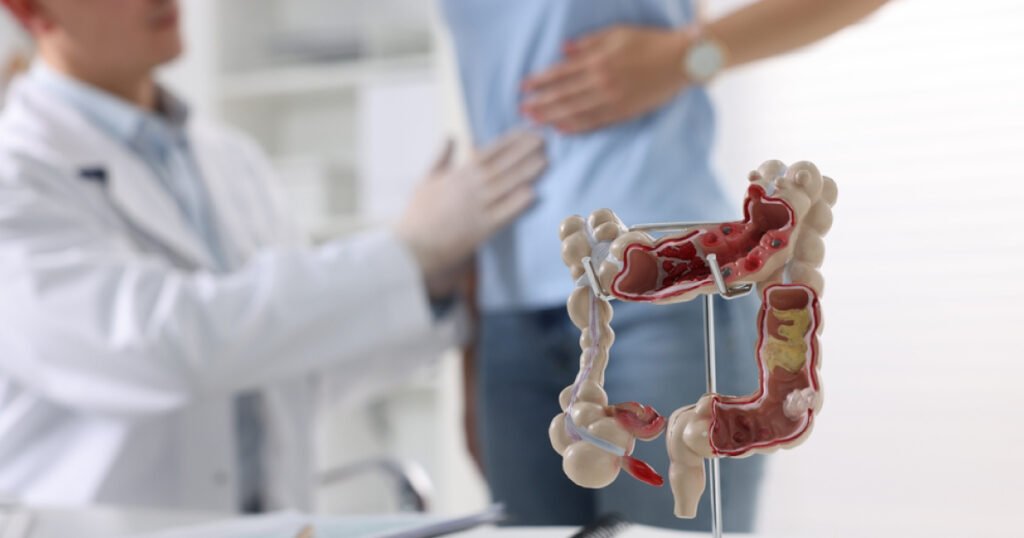
After talking, the doctor will examine you while you lie on an exam couch. This part is usually brief and focuses on your abdomen.
- Inspection: The doctor looks at the abdomen for swelling, scars, visible veins or unusual shapes.
- Auscultation: A stethoscope is placed on the belly to listen to bowel sounds, which can suggest whether the gut is moving normally.
- Palpation: Gentle pressure in different areas checks for tenderness, an enlarged liver or spleen, fluid or lumps.
- Rectal examination: This is only done if your symptoms require it, such as bleeding, pain, or changes in your bowels. The doctor will explain everything first, respect your privacy, and stop if you feel uncomfortable.
You might also have your blood pressure, pulse, weight, and eyes checked for signs like yellowing or paleness.
Step 3: Recommended Tests and Your Investigation Plan
| Test type | Common examples | What it helps check |
| Lab tests | Blood count, liver function, H. pylori stool or breath test, stool tests | Anaemia, infection, liver problems, inflammation |
| Imaging | Abdominal ultrasound, CT scan, MRI | Liver, gallbladder, pancreas, kidneys and bowel structure |
| Endoscopic procedures | Upper GI endoscopy, colonoscopy, capsule endoscopy | The lining of the food pipe, stomach, small bowel and colon |
If you need an endoscopy test in Lahore, our team can help you decide if it’s needed and arrange it at Omar Hospital & Cardiac Centre with Dr Fahd Aziz Rana.
What to Bring With You
Preparing a bit before your first visit can make it more useful and help you avoid repeating tests.
- Previous reports: lab results, ultrasounds, prescriptions and earlier endoscopy or colonoscopy reports.
- Imaging discs or films: CDs or films of CT, MRI or X-rays, not only the written reports.
- Medication list: a written list or the actual medicine bottles and strips, including supplements and herbal products.
- Symptom timeline or diary: a short note on when each symptom started, how it changes throughout the day, and what food or activity triggers it.
- Practical items: Bring your CNIC, a list of questions, and, if you like, a family member for support.
First Visits for Children and for Haemorrhoids
What to Expect at a First Paediatric GI Appointment
Children usually see a paediatric gastroenterologist, and parents do most of the talking. You’ll be asked about feeding, stool patterns, growth, weight gain, vomiting, and family allergies. The doctor will check your child’s weight and height on growth charts and gently examine the abdomen. Only the necessary tests are done, and most children start with simple blood or stool tests before anything more complex.
What to Expect for Haemorrhoids
If you’re seeing the doctor for possible haemorrhoids, you’ll be asked about bleeding, pain, itching, straining, and your fibre and fluid intake. The exam usually includes a visual check around the anus and a gentle rectal exam, sometimes using a short scope called an anoscope. A colonoscopy might be suggested if bleeding is unexplained, you’re older, or there’s a family history of bowel cancer. Most cases are managed first with diet changes, staying hydrated, and medication.
Book Your First Appointment
If digestive symptoms are making it hard to eat, sleep, or go about your day, don’t wait for them to go away on their own. Seeing an experienced gastroenterologist in Lahore early can help you get a clear diagnosis and a plan that fits you, and avoid unnecessary tests.
To book your appointment with Dr. Fahd Aziz Rana, reserve a slot online.
Frequently Asked Questions
Do I need a referral to see a gastroenterologist?
Most private clinics in Lahore let you see a gastroenterologist without a referral. However, a referral from your family doctor can help if you want your records and earlier results sent directly.
Will I have an endoscopy on the first day?
Not always. Many first visits end with a diagnosis and treatment plan based on your history and exam. If you need an endoscopy, it’s usually scheduled for another day so you can fast and get ready.