
Hepatitis C is one of the most common liver infections in Pakistan and one of the quietest. Many people carry the virus for years and feel completely healthy. By the time symptoms appear, the liver may already be damaged.
The good news is that hepatitis C can now be cured, and it begins with one simple blood test. As a liver specialist in Lahore, Dr. Fahd often sees patients who wish they had been tested sooner. This guide explains why testing matters, how it works, and what to do next.
Why Screening Matters
- The virus is silent. You can carry it for 10 to 30 years without knowing.
- Pakistan has one of the highest numbers of cases in the world. Millions of people are affected, and many do not know it.
- Damage builds slowly. Untreated infection can cause liver scarring (cirrhosis), liver failure, or liver cancer.
- It can spread without your knowledge. A person who feels fine can still pass the virus on.
- Early treatment works best. A liver treated early has the best chance of staying healthy.
If you are unsure where to begin, a liver specialist in Lahore can explain which tests you need and what the results mean.
5 Reasons to Get Tested
- You can have the disease even if you feel fine. No symptoms do not mean no infection.
- The test is quick and easy. It needs only a small blood sample.
- You protect your family and friends. Knowing your status helps stop the virus from spreading.
- Treatment can suppress or even wipe out the virus. Modern tablets cure most people in 8 to 12 weeks.
- Early treatment can prevent liver cancer and liver failure. Clearing the virus early protects your liver for years to come.
A liver specialist in Lahore can start treatment quickly once your test confirms the infection.
Who Should Get Tested?
Anyone over the age of 18 can benefit from a one-time test. It is especially important if you:
- Have had surgery, dental work, or injections in the past, especially with reused needles
- Have received a blood transfusion or blood products
- Have had cupping, piercing, tattoos, or shaving at a barber using shared tools
- Have a family member with hepatitis C
- Are on dialysis or have a long-term illness that needs regular injections
- Are pregnant
- Have unexplained tiredness or abnormal liver test results
If you are unsure, ask a liver specialist in Lahore whether you should be tested.
How to Get Tested
Step 1: Screening blood test (anti-HCV): This shows whether your body has ever been exposed to the hepatitis C virus. A negative result usually means you are clear.
Step 2: Confirmatory test (HCV RNA or PCR): If the first test is positive, this test checks whether the virus is still active. Some people clear the virus on their own, so this step is important.
Step 3: Liver check: If the virus is active, your doctor may order a liver function test, an ultrasound, or a scan to check how healthy your liver is. This helps plan the right treatment.
Where to go: You can get tested at a trusted diagnostic laboratory, a government or private hospital, or a liver clinic. Government programs in Pakistan also offer low-cost screening. Visiting a liver specialist in Lahore means your results are explained clearly, and there is no delay before treatment.
What If My Test Is Positive?
A positive result is not a life sentence. Hepatitis C is one of the few chronic viral infections that can be cured.
- Treatment is usually a course of tablets taken for 8 to 12 weeks.
- Most people have very few side effects.
- A blood test about 12 weeks after treatment confirms the virus is gone.
- If your liver already has scarring, your doctor will keep monitoring it, even after the cure.
Getting advice from a liver specialist in Lahore early gives you the best chance of a full cure.
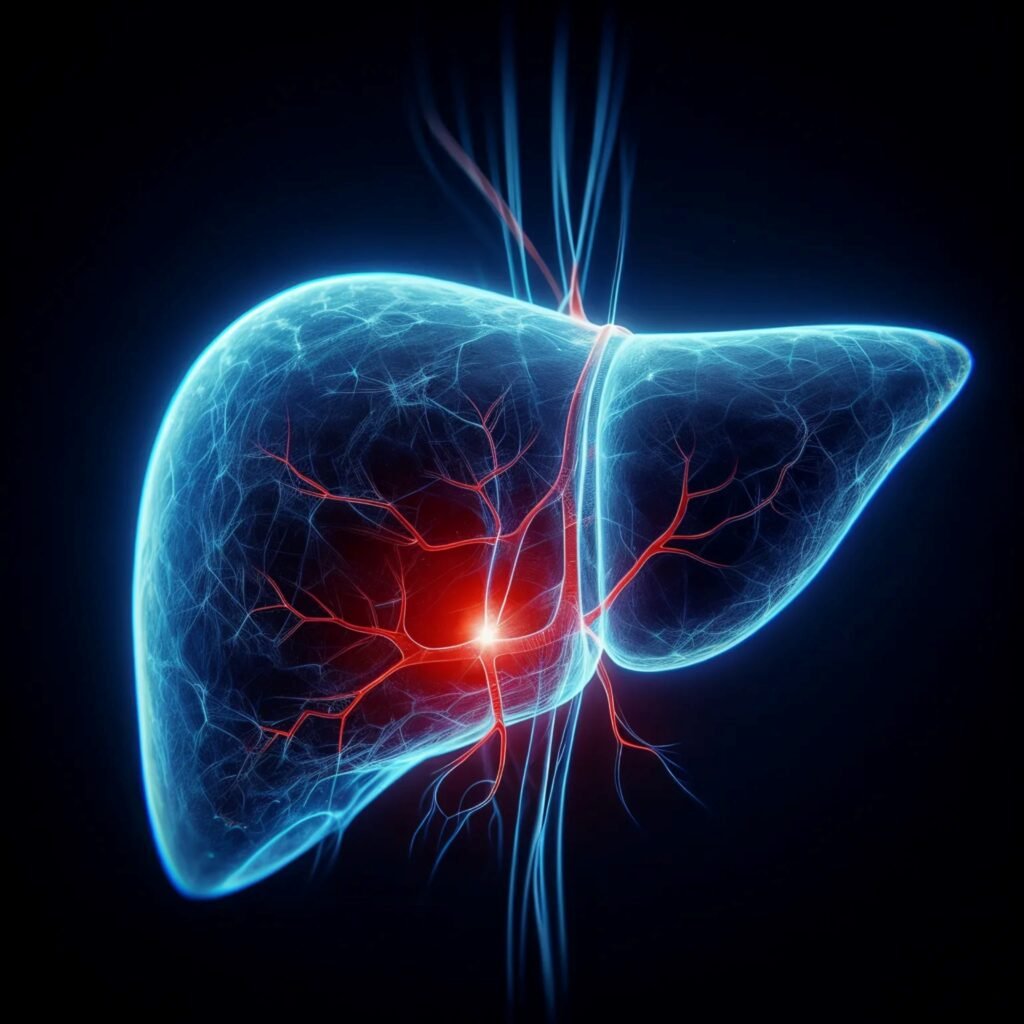
Signs and Symptoms of Hepatitis
Most people with hepatitis C have no symptoms at first. When symptoms do appear, they may include:
- Constant tiredness
- Loss of appetite and nausea
- Pain or discomfort in the upper right belly
- Dark urine and pale stools
- Yellow skin or eyes (jaundice)
- Joint or muscle aches
- Swollen belly or legs in advanced disease
These signs are easy to miss or blame on something else. If you notice them, see a liver specialist in Lahore rather than waiting.
How to Prevent Hepatitis
- Use only new, sealed, single-use syringes and needles.
- Choose barbers and dental clinics that use sterilized tools or fresh blades.
- Do not share razors, toothbrushes, or nail clippers.
- Make sure any blood transfusion comes from a screened source.
- Get vaccinated against hepatitis A and B.
- Drink safe, boiled or filtered water and wash your hands before eating.
- If you are pregnant, get tested so your baby can be protected.
Vaccination and safe habits are the strongest protection, and a liver specialist in Lahore can advise on the vaccines your family needs.
Do Not Wait for Symptoms
Screening is a small step that can protect your liver, your family, and your future. If you have never been tested, book a test today. To speak with a liver specialist in Lahore about screening or treatment, contact Dr. Fahd’s clinic.
Frequently Asked Questions
Can I have hepatitis C and feel completely fine?
Yes. Most people have no symptoms for years, which is why testing matters.
Does hepatitis C spread through hugging, sharing food, or shaking hands?
No. It spreads mainly through infected blood.
Can hepatitis C come back after treatment?
Once cured, it does not return on its own. You can be infected again if you are exposed to the virus, so safe habits still matter.
How often should I be tested?
Most adults need one test. If you are at ongoing risk, ask your doctor about regular testing.
Who should I see if my result is positive?
A liver specialist or hepatologist. A liver specialist in Lahore can confirm the result and plan your treatment.