
When it comes to endoscopy procedures, the first question that comes to mind for most patients is, “Is endoscopy painful?” Nearly every patient asks this question before undergoing an endoscopy procedure, and it’s a valid one. Just the thought of a tube being passed into your body and then flexibility is enough to make anyone nervous. The good news is that a well-executed endoscopy should not be painful, and for the majority of people these days, it is a very comfortable procedure due to the sedation that is used.
Dr. Fahd, as a gastroenterologist in Lahore, guides patients through what to anticipate, what they will actually experience, the available options for sedation, and how the experience can be as smooth as possible.
Is Endoscopy Painful? What Patients Actually Experience
In short: It shouldn’t hurt, but it can feel weird. There’s an important difference between pain and discomfort. Pain is a more intense warning sign that there is a problem, while discomfort is a minor, temporary feeling of pressure or unease. Patients report endoscopy as causing a sensation of fullness, pressure, or a slight gag reflex, but not actually causing pain. Even though that discomfort is reduced to a minimum for the vast majority of patients during sedation. That’s why the answer to “Is endoscopy painful?” is almost always no when it’s performed under proper sedation and by a highly experienced team.
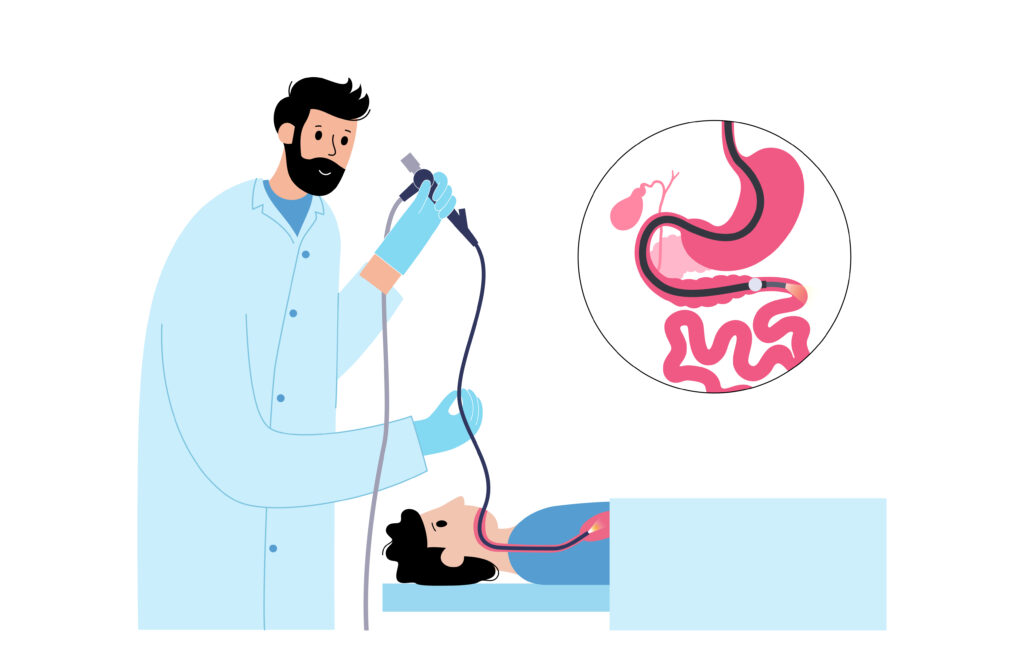
What is an Endoscopy?
An endoscopy is a procedure in which a thin, flexible tube with a camera on the end (an endoscope) is passed into the body to examine the digestive tract. It can be:
- Diagnostic; used to identify inflammation, ulcers, polyps, or other abnormalities
- Therapeutic; used to remove polyps, take biopsies, stop bleeding, or treat other findings during the same procedure
Common tests are upper GI endoscopy (gastroscopy) (through the mouth) and colonoscopy (through the rectum). In certain cases, the patient is able to swallow a camera pill called a capsule endoscopy that captures images of areas that the standard endoscope cannot access.
What Diseases Can Be Detected by an Endoscopy?
Endoscopy is one of the most effective tools for detecting and diagnosing conditions of the digestive tract, including:
- Acid reflux (GERD) and esophagitis
- Stomach and duodenal ulcers
- Gastritis and H. pylori infection
- Polyps and early signs of colorectal or stomach cancer
- Inflammatory bowel disease (Crohn’s disease, ulcerative colitis)
- Unexplained bleeding in the digestive tract
- Celiac disease and other causes of malabsorption
Types of Sedation Used During Endoscopy
Modern gastroenterology offers a spectrum of sedation options, so the experience can be tailored to each patient, and this is the single biggest factor in whether a patient finds endoscopy painful or not:
- Unsedated (with topical anaesthesia): A numbing throat spray is used, and the patient remains fully awake. This allows the fastest recovery but comes with more noticeable discomfort and a gag reflex.
- Conscious (moderate) sedation: A sedative given through an IV line induces deep relaxation and drowsiness. Patients can still respond to instructions but often have little to no memory of the procedure afterward. This is the most common approach.
- Deep sedation / monitored anaesthesia care (MAC): Often using propofol, this produces a deeper, more controlled level of sedation with quicker recovery times than older sedative combinations and is increasingly preferred when available.
- General anaesthesia: Full unconsciousness, typically reserved for complex procedures or patients who need extra precaution.
The right choice depends on the type of endoscopy, the patient’s anxiety level, medical history, and how the procedure is expected to go.
Endoscopy Procedure Steps
- Preparation: Depending on the type of endoscopy, you may be asked to fast for several hours beforehand or follow a bowel-prep routine (for colonoscopy).
- Sedation: An IV line is placed, and your chosen sedation level is administered.
- Monitoring begins: Your breathing, heart rate, and oxygen levels are tracked throughout.
- Scope insertion: The endoscope is gently guided through the mouth or rectum, depending on the procedure.
- Examination and any interventions: The doctor examines the relevant area and may take biopsies or remove polyps if needed.
- Recovery: You’re moved to a monitored recovery area until the sedative begins to wear off.
The exam itself typically takes 15 to 45 minutes, depending on whether biopsies or other interventions are performed.
Endoscopy vs. Colonoscopy: What’s the Difference?
These are both endoscopic procedures (which are procedures that examine different parts of the digestive tract). An upper endoscopy (gastroscopy) is performed through the mouth to view the esophagus, stomach, and upper small intestine, and a colonoscopy is performed through the rectum to view the colon and rectum. If symptoms warrant that both ends of the digestive tract should be investigated, some patients may receive both in the same sedation.
What Can You Expect After the Procedure? (Endoscopy Side Effects)
- Recovery period in the monitored area until the sedative has worn off.
- Common symptoms include mild bloating, gas, or a sore throat (for upper endoscopy), which typically disappear after 1 day
- Fatigue or drowsiness for the rest of the day; patients are advised not to drive, operate machinery, or make important decisions for about 24 hours after sedation
- Driving home after sedation is not safe, and you need someone to drive you home.
These effects are generally mild and temporary. More significant complications are uncommon but are covered below.
Are There Risks or Complications?
Sedation and endoscopy are generally very safe if conducted and monitored appropriately, but as with any medical procedure, there are some risks involved, including slowed breathing, a brief drop in blood pressure, minor bleeding (particularly if a biopsy or removal of polyps was performed), or, rarely, an allergic reaction. This is why vital signs are continuously monitored throughout. If you have some heart, lung, or other medical issues, you may require special precautions, which your gastroenterologist will discuss with you before you have the procedure.
Frequently Asked Questions
How long does it take to recover from sedation?
Most patients feel back to normal within a few hours, though grogginess can linger for the rest of the day. You’ll need someone to drive you home and should avoid important decisions or driving for about 24 hours.
Will I be awake during a sedated endoscopy?
With conscious sedation, you’re often technically responsive but so relaxed that you have little or no memory of the procedure afterward. Deeper sedation options exist if you’d prefer to be fully asleep.
What is a surveillance colonoscopy?
It’s a follow-up colonoscopy scheduled after a previous finding, like polyps, to monitor for recurrence or new growths, usually at an interval your doctor sets based on what was found the first time.
How can I reduce my anxiety before an endoscopy?
Before an endoscopy, you can reduce your anxiety level by talking through the procedure and sedation options with your gastroenterologist. Choosing a sedation level suited to your comfort needs, rather than defaulting to the least sedation possible, also makes a real difference.
Talk to a Gastroenterologist in Lahore Before Your Endoscopy
If you’ve been wondering, “Is endoscopy painful?” and postponing a procedure you desperately need, discussing your sedation options can help put your mind at ease. As a trusted gastroenterologist in Lahore, Dr. Fahd makes sure every patient understands what to expect before undergoing a procedure, tailors sedation to individual comfort and medical needs, and makes certain that the procedure goes as smoothly as possible from start to finish. Schedule a consultation today to talk about your endoscopy in confidence.