
Seeing blood in your stool can be scary, but it doesn’t always mean it’s something serious. It can be caused by something as simple as haemorrhoids, or it may be a sign of an underlying digestive disorder that needs urgent medical attention. It is important to identify the exact cause, as treatment depends on the underlying condition causing the bleeding.
A colonoscopy is a diagnostic procedure that allows a gastroenterologist to examine the inside of the large intestine and identify the source of bleeding with high accuracy. Understanding what is a colonoscopy and when it is recommended can help you seek medical attention promptly and avoid complications.
What Is Rectal Bleeding?
Rectal bleeding is blood that bleeds from the anus or lower part of the digestive tract during or after a bowel movement. It can be found on toilet paper, mixed in with stool, or in the toilet bowl. Bleeding can happen due to common conditions like haemorrhoids, but if it continues or the cause isn’t clear, it’s important to see a gastroenterologist.
What Does Blood in Stool Look Like?
The appearance of blood in stool can provide important clues about where the bleeding is coming from.
- Bright red blood usually indicates bleeding from the lower rectum or anus.
- Dark red or maroon stool may suggest bleeding from the colon.
- Black, tarry stool can indicate bleeding from the upper digestive tract.
- Occult (hidden) blood is not visible and is detected through laboratory stool tests.
Although the colour of the blood may help narrow down the source, further evaluation is necessary to determine the exact cause.
Common Causes of Blood in Stool
Several digestive conditions can cause blood in the stool, ranging from minor issues to more serious diseases.
- Hemorrhoids
Swollen veins in the rectum or anus are one of the most common causes of bright red rectal bleeding, especially during bowel movements.
- Anal Fissures
Small tears in the lining of the anus can cause pain and bleeding, often after passing hard stools.
- Diverticular Disease
Small pouches that develop in the colon may bleed suddenly, sometimes without causing pain.
- Colon Polyps
Polyps are abnormal growths inside the colon. While many are non-cancerous, some can develop into colorectal cancer if left untreated.
- Colorectal Cancer
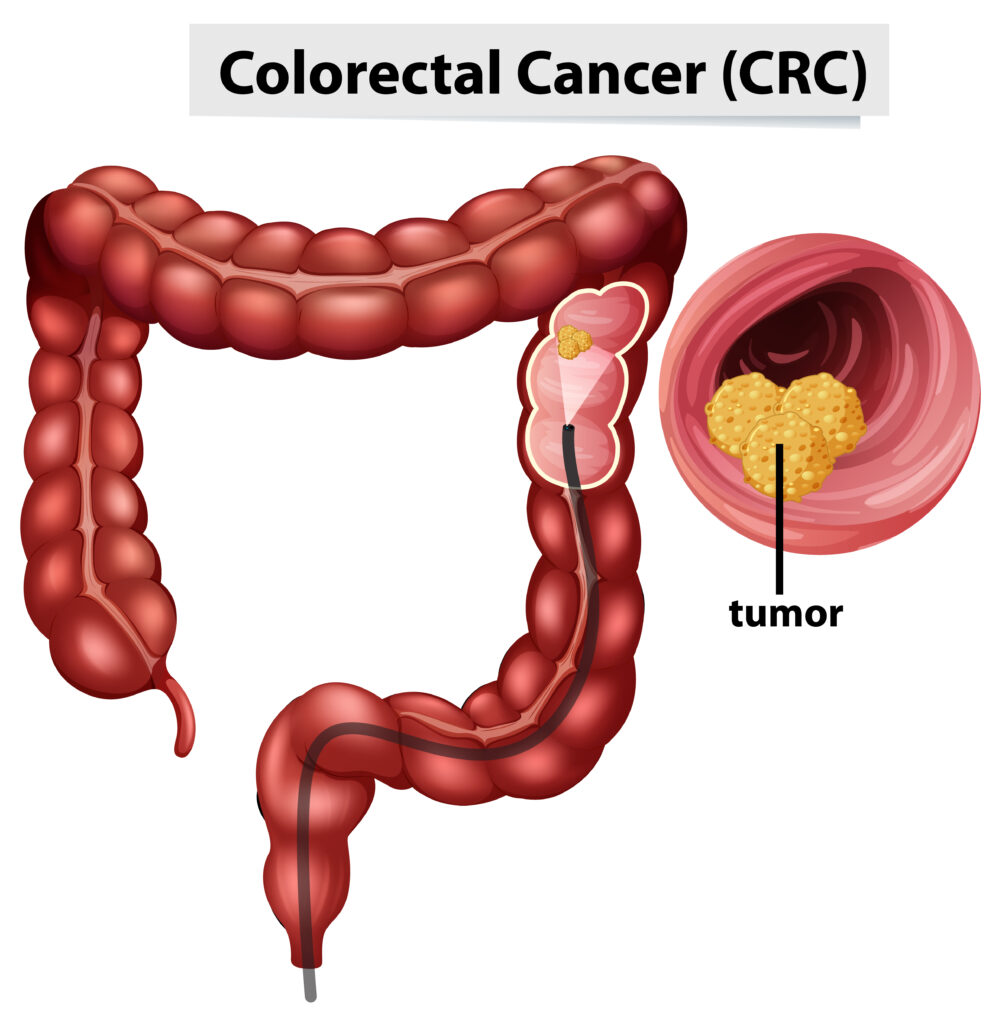
Blood in stool may be an early warning sign of colorectal cancer, particularly when accompanied by changes in bowel habits, weight loss, or persistent abdominal discomfort.
- Inflammatory Bowel Disease (IBD)
Conditions such as Crohn’s disease and ulcerative colitis can cause chronic inflammation, resulting in rectal bleeding.
- Gastrointestinal Infections
Certain bacterial or parasitic infections can irritate the intestines and lead to bloody diarrhoea.
- Upper Gastrointestinal Bleeding
Bleeding from the stomach or small intestine may appear as black, tarry stools rather than bright red blood.
What Symptoms May Accompany Blood in Stool?
Depending on the underlying condition, blood in the stool may occur with the following:
- Abdominal pain or cramping
- Diarrhea
- Constipation
- Changes in bowel habits
- Unexplained weight loss
- Fatigue
- Fever
- Dizziness or weakness due to significant blood loss
These symptoms help your gastroenterologist determine which diagnostic tests may be needed.
What Is a Colonoscopy? How It Helps Diagnose Blood in Stool
Many people ask, what is a colonoscopy, and why is it recommended for rectal bleeding?.
A colonoscopy is a procedure in which a thin, flexible tube with a camera on the end is used to look at the inside of the rectum and the entire colon. It allows the gastroenterologist to detect inflammation, ulcers, polyps, bleeding sites, and signs of colorectal cancer.
The procedure is usually done under sedation for comfort and takes between 20 and 45 minutes. If abnormal tissue or polyps are discovered, they can usually be removed or biopsied in the same procedure.
Knowing what a colonoscopy is makes it easier for patients to understand why this is the most accurate investigation for unexplained blood in stool.
Why Is a Colonoscopy the Gold Standard for Diagnosing Blood in Stool?
A colonoscopy remains the preferred diagnostic test because it offers several advantages over other investigations.
- Complete Examination of the Colon
Unlike some imaging tests, a colonoscopy allows the doctor to examine the entire colon and rectum in detail.
- Early Detection of Polyps and Cancer
Polyps and early colorectal cancer can be identified before symptoms become more severe.
- Accurate Tissue Biopsies
If an abnormal area is found, a tissue sample can be collected immediately for laboratory analysis.
- Diagnosis and Treatment in One Procedure
Certain polyps can be removed during the same procedure, reducing the need for additional interventions.
- High Diagnostic Accuracy
Knowing what is a colonoscopy also means understanding why it provides greater diagnostic accuracy than many alternative screening methods for identifying the source of gastrointestinal bleeding.
Colonoscopy Compared With Other Diagnostic Tests
| Test | Purpose | Limitation |
| Stool test | Finds hidden blood | Can’t identify the source of bleeding |
| CT scan | Detects structural abnormalities | May miss small polyps or early lesions |
| Flexible sigmoidoscopy | Examines the lower colon | Does not evaluate the entire colon |
| Colonoscopy | Examines the complete colon and allows biopsy or treatment | Considered the gold standard for diagnosis |
Does Everyone With Blood in Stool Need a Colonoscopy?
Not necessarily. Whether a colonoscopy is required depends on factors such as:
- Your age
- The amount and frequency of bleeding
- Associated symptoms
- Family history of colorectal cancer
- Personal medical history
- Physical examination findings
A gastroenterologist will determine whether a colonoscopy or another diagnostic test is the most appropriate option.
Is a Colonoscopy Painful?
Many patients are concerned about discomfort before the procedure. Fortunately, most colonoscopies are performed with sedation, so most people can remain relaxed and comfortable during the procedure.
Mild bloating or gas may occur afterward, but serious complications are rare if an experienced gastroenterologist performs the procedure.
When Should You See a Gastroenterologist?
Although occasional minor bleeding may result from a harmless condition, you should seek medical evaluation if you experience:
- Recurrent blood in stool
- Large amounts of rectal bleeding
- Black or tarry stools
- Persistent abdominal pain
- Unexplained weight loss
- Ongoing changes in bowel habits
- A family history of colorectal cancer
Early evaluation may help determine the underlying cause before complications develop. If you have blood in your stool or other ongoing digestive symptoms, Dr. Fahd Aziz Rana offers a comprehensive gastrointestinal assessment, including colonoscopy, to properly diagnose and treat a wide range of digestive conditions.
Frequently Asked Questions
Can blood in stool go away on its own?
Yes, sometimes. If the bleeding continues or you’re unsure of the cause, it’s best to see a gastroenterologist.
Can haemorrhoids cause blood in the stool?
Yes. Haemorrhoids are a common cause of bright red blood during bowel movements.
How should I prepare for a colonoscopy?
Your gastroenterologist will explain each step. You’ll usually need a bowel prep, a clear-liquid diet, and may need to avoid certain medications.