
It’s normal to have occasional heartburn after a spicy meal or overindulging in food, but when symptoms become frequent, persistent, or uncomfortable, they can be a sign of a more serious digestive condition. Many people ignore recurring acid reflux for years without realising it could develop into GERD or even Barrett’s oesophagus.
Understanding the distinction between simple acid reflux and a long-term digestive disorder is key to the health of your oesophagus down the line. Dr. Fahd, a stomach specialist, offers specialised evaluation and treatment for acid reflux-related conditions in patients with persistent heartburn, regurgitation, or upper digestive discomfort.
What Is Acid Reflux?
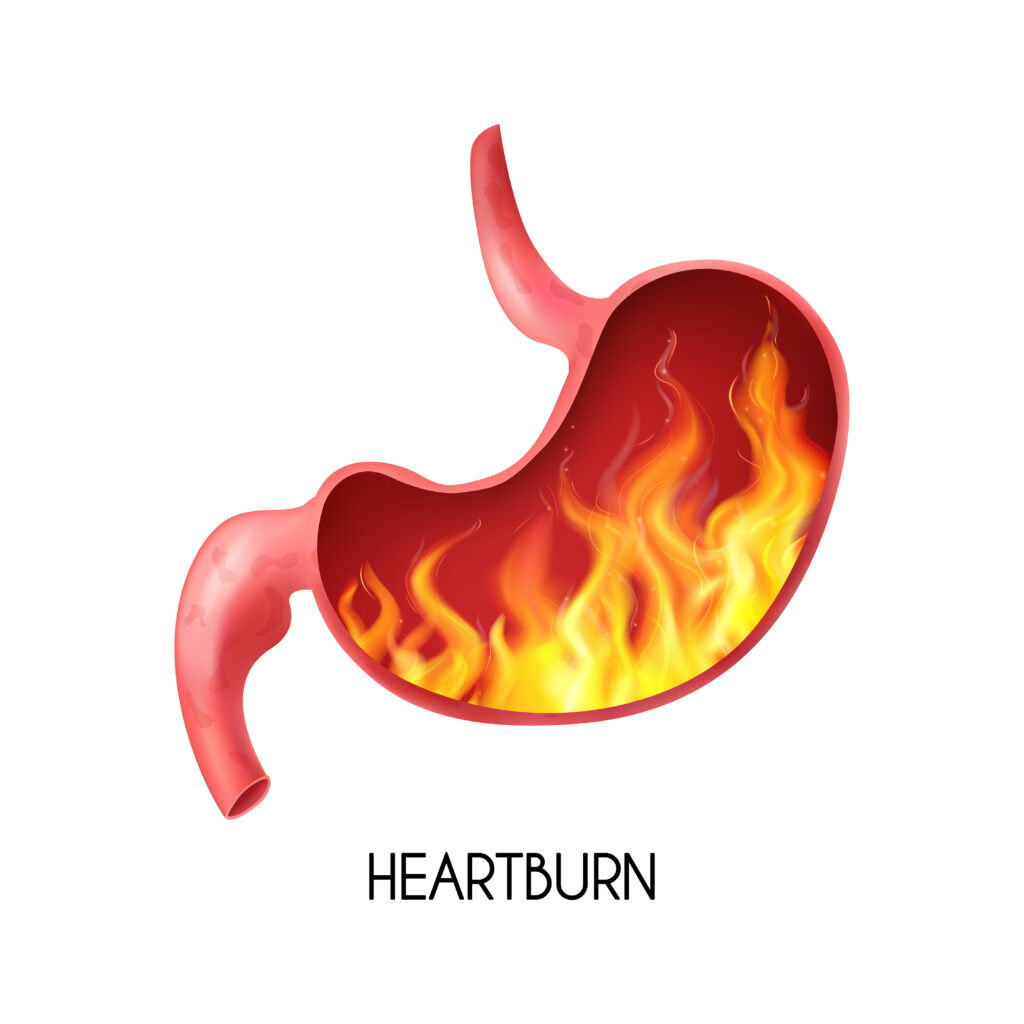
Acid reflux is when stomach acid backs up into the oesophagus, irritating the lining and causing a burning sensation called heartburn.
The lower esophageal sphincter normally acts as a valve between the oesophagus and the stomach. When this valve relaxes in an abnormal way, acid can move up and cause symptoms.
Occasional reflux is common, especially after a heavy meal, caffeine, spicy food or lying down soon after eating.
Common Symptoms of Acid Reflux
Symptoms of acid reflux may include:
- Burning sensation in the chest
- Sour or bitter taste in the mouth
- Regurgitation after meals
- Bloating and indigestion
- Upper abdominal discomfort
- Burping or nausea
- Mild throat irritation
For many people, symptoms improve with dietary changes and lifestyle adjustments. However, frequent reflux may indicate GERD.
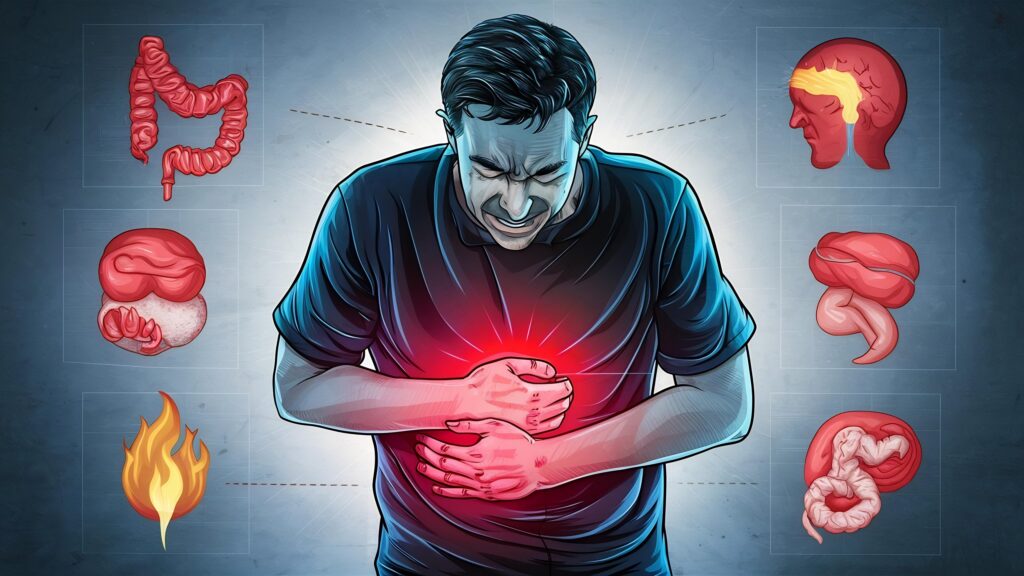
Difference Between Acid Reflux and GERD
Occasional acid reflux is common, but GERD (gastro-oesophageal reflux disease) is a chronic condition where acid reflux occurs repeatedly and begins to affect the oesophagus.
GERD is generally suspected when symptoms happen more than a few times a week, disrupt sleep, interfere with daily living, or persist despite home remedies.
Patients with ongoing reflux symptoms are carefully assessed by Dr Fahd in the digestive practice to ascertain if the symptoms are related to GERD or other upper gastrointestinal conditions.
Signs That It Might Be GERD
Persistent acid reflux should not be ignored, especially when symptoms become more severe over time.
Common Symptoms of GERD
- Frequent heartburn
- Chest discomfort after meals
- Difficulty swallowing
- Chronic sore throat
- Persistent cough
- Hoarseness
- Regurgitation of food or acid
- Feeling of food getting stuck in the chest
Red Flags and Warning Signs You Should Not Ignore
Certain symptoms may indicate long-term GERD-related complications that require prompt medical attention.
Warning Signs Include:
- Difficulty swallowing (dysphagia)
- Pain while swallowing
- Unexplained weight loss
- Vomiting blood
- Persistent chest pain
- Chronic cough or wheezing
- Recurrent throat irritation
- Black stools or anemia
If you have these symptoms, you should consult with a qualified Dr. Fahd for a more thorough digestive evaluation.
What Causes GERD?
Several factors can increase the risk of GERD, including:
- Obesity
- Smoking
- Pregnancy
- Hiatal hernia
- Excess caffeine intake
- Spicy or fatty foods
- Late-night eating habits
- Chronic stress
- Certain medications
What Is Barrett’s Esophagus?
Barrett’s oesophagus is a condition that develops when the normal lining of the oesophagus is altered by repeated exposure to stomach acid over time.
It is thought to be a possible complication of chronic GERD. It is significant, as it may increase the risk of esophageal cancer in some patients.
While not all GERD patients develop Barrett’s oesophagus, long-term acid reflux greatly increases your risk.
Risk Factors for Barrett’s Esophagus
The risk of Barrett’s esophagus may increase in individuals who have:
- Chronic GERD symptoms
- Long-term untreated heartburn
- Obesity
- Smoking history
- Age above 50
- Family history of esophageal disease
- Frequent nighttime reflux
Early detection and monitoring are important for reducing long-term complications.
Types of Barrett’s Esophagus
Barrett’s esophagus may be classified into different types depending on the degree of cellular changes identified during evaluation.
Non-Dysplastic Barrett’s Esophagus
Changes are present, but there are no precancerous abnormalities.
Low-Grade Dysplasia
Early abnormal cellular changes are detected.
High-Grade Dysplasia
Advanced abnormal changes are present with a higher risk of progression toward esophageal cancer.
Symptoms and Diagnosis of Barrett’s Esophagus
Barrett’s esophagus itself may not always produce separate symptoms. Most patients continue experiencing chronic GERD-related symptoms such as:
- Persistent heartburn
- Regurgitation
- Difficulty swallowing
- Chest discomfort
- Chronic throat irritation
Diagnosis typically requires upper gastrointestinal evaluation and specialized digestive assessment.
At the clinic of Dr. Fahd, patients with chronic acid reflux symptoms receive a detailed assessment for GERD complications and esophageal health concerns.
What Are the Possible Complications of Chronic GERD?
Untreated GERD can lead to several complications over time, including:
- Esophagitis
- Esophageal ulcers
- Narrowing of the esophagus
- Chronic inflammation
- Barrett’s esophagus
- Increased cancer risk in advanced cases
This is why persistent heartburn should never be ignored.
How Has GERD Diagnosis Evolved?
Modern gastroenterology has significantly improved the diagnosis and management of reflux-related conditions. Today, specialists use advanced digestive evaluation techniques to identify inflammation, reflux severity, and complications earlier than before.
Patients with persistent symptoms often benefit from timely evaluation by an experienced stomach specialist near them to prevent disease progression.
What Is the Medical Treatment for GERD?
GERD treatment depends on symptom severity and underlying causes.
Common Treatment Approaches Include:
- Acid-reducing medications
- Lifestyle modifications
- Weight management
- Dietary changes
- Avoiding trigger foods
- Stress management
- Sleeping position adjustments
In more advanced cases, additional medical or procedural treatment may be necessary.
Can GERD Require Surgery?
Some patients with severe GERD, persistent reflux, or complications may require surgical intervention if medications and lifestyle changes fail to control symptoms.
Treatment planning depends on the patient’s overall digestive health and the severity of reflux disease.
Practical Steps That Can Help Acid Reflux at Home
Patients with mild reflux symptoms may benefit from:
- Avoiding spicy and oily foods
- Eating smaller meals
- Avoid lying down immediately after eating
- Limiting caffeine and carbonated drinks
- Maintaining a healthy weight
- Quitting smoking
- Elevating the head during sleep
However, persistent symptoms should still be evaluated professionally.
When Should You See a Stomach Specialist?
If heartburn occurs frequently, worsens over time, or interferes with your daily routine, it may be time to seek medical evaluation.
Recurring reflux symptoms may indicate GERD or complications involving the esophagus. Consulting an experienced stomach specialist near you can help identify the cause early and reduce the risk of long-term digestive complications.
Dr. Fahd provides patient-focused evaluation and treatment for acid reflux, GERD, Barrett’s esophagus, and other upper gastrointestinal conditions using a personalised digestive care approach.
FAQs
Can Foods Cause Acid Reflux?
Yes. Spicy foods, caffeine, fried meals, citrus fruits, chocolate, and carbonated drinks are common reflux triggers in many individuals.
How Do You Get Rid of Acid Reflux?
Mild acid reflux may improve with lifestyle changes, dietary adjustments, and medications. Persistent symptoms require medical evaluation.
How Long Does Heartburn Last?
Heartburn may last from a few minutes to several hours, depending on the severity and trigger factors.
Does Milk Help Heartburn?
Milk may temporarily soothe symptoms in some people, but full-fat dairy products can worsen reflux in others.
Can Stress Cause Heartburn?
Stress can worsen acid reflux symptoms and may contribute to digestive discomfort in patients with GERD.
Is GERD Curable?
GERD can often be effectively managed through lifestyle changes, medication, and medical treatment, although long-term symptom control may be necessary in some patients.