Digestive problems are often overlooked until they become serious. Many people think that symptoms like stomach ache, nausea, or acidity are temporary; in some cases, these symptoms can be a sign of something deeper that needs to be properly evaluated.
This is where an endoscopy procedure can be used. This lets doctors look directly into the digestive tract and find problems that basic tests can’t diagnose.
This procedure can only be advised by a qualified stomach specialist or gastroenterologist when your symptoms suggest an underlying condition that needs to be investigated further.
What Is an Endoscopy Procedure?
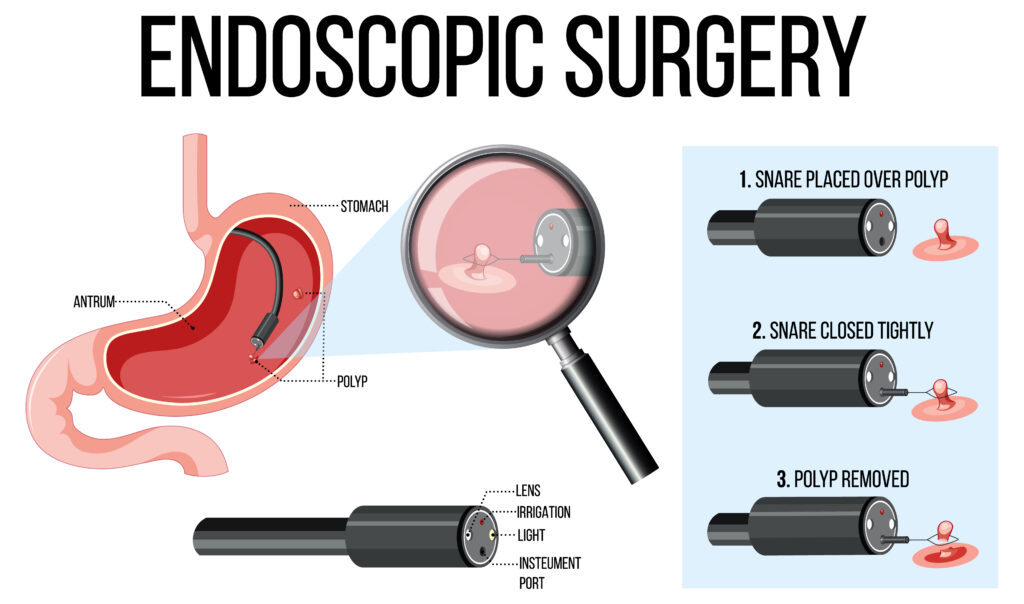
Endoscopy is a diagnostic test that uses a thin, flexible tube equipped with a camera to examine the upper digestive system. It enables physicians to see the oesophagus, stomach, and upper intestine in real time.
This procedure is commonly used to:
- Detect inflammation or ulcers
- Identify sources of internal bleeding
- Diagnose chronic digestive disorders
- Rule out serious conditions early
It is a safe, commonly performed test that provides highly accurate insights into digestive health.
Top 5 Warning Signs That May Require an Endoscopy Procedure
Doctors do not recommend an endoscopy for every stomach problem. However, certain symptoms indicate a need for further investigation.
Here are the most common warning signs:
1. Persistent Digestive Symptoms That Don’t Improve
Occasional stomach discomfort is normal, but ongoing symptoms are not. A doctor may recommend an endoscopy if you experience the following:
- Long-term stomach pain
- Frequent bloating or discomfort
- Symptoms that do not improve with medication
These signs may indicate gastritis, ulcers, or chronic inflammation that requires direct examination.
2. Difficulty Swallowing Food (Dysphagia)
If swallowing becomes uncomfortable or food feels stuck in your throat or chest, it should never be ignored. Possible underlying causes include:
- Narrowing of the esophagus
- Inflammation
- Structural abnormalities
An endoscopy helps identify the exact cause and guides appropriate treatment.
3. Unexplained Weight Loss or Loss of Appetite
Sudden weight loss without dietary changes is a serious warning sign. It may be linked to:
- Digestive tract disorders
- Malabsorption issues
- Chronic gastrointestinal conditions
Doctors often recommend an endoscopy early to rule out underlying causes.
4. Chronic Nausea and Vomiting
Ongoing nausea or frequent vomiting is not normal when it persists for weeks. A stomach specialist may suggest an endoscopy to check for the following:
- Stomach lining irritation
- Ulcers
- Blockages or infections
This helps ensure an accurate diagnosis rather than temporary symptom relief.
5. Gastrointestinal Bleeding or Anemia
This is one of the most important warning signs. It may appear as:
- Blood in vomit
- Black or tar-like stools
- Unexplained anemia in blood tests
An endoscopy helps locate the source of bleeding and allows early intervention.
When Should You Seek Immediate Medical Attention?
You should consult a doctor urgently if you experience:
- Severe or worsening abdominal pain
- Vomiting blood
- Black stools
- Sudden weakness or dizziness
These symptoms may indicate internal bleeding or serious gastrointestinal disease requiring immediate evaluation.
What Does an Endoscopy Show?
An endoscopy procedure provides a direct view of the digestive tract and helps detect the following:
- Ulcers in the stomach or duodenum
- Gastritis (inflammation of the stomach lining)
- Acid reflux damage (GERD)
- Infections such as H. pylori
- Abnormal growths or early-stage lesions
- Sources of internal bleeding
This makes it one of the most reliable diagnostic tools in gastroenterology.
When Is an Endoscopy Required?
A doctor may recommend an endoscopy when:
- Symptoms persist for more than a few weeks
- Medication does not improve symptoms
- Blood tests show unexplained anaemia
- There is suspicion of ulcers or infection
- A family history of gastrointestinal disease exists
It is not just a test; it is a decision-making tool that helps confirm or rule out serious conditions.
Conditions Diagnosed Through Endoscopy
An endoscopy can help diagnose:
- Gastritis
- Peptic ulcers
- Acid reflux disease (GERD)
- Celiac disease-related damage
- Tumors or early cancers
- Internal bleeding
Early detection significantly improves treatment outcomes.
What to Expect During an Endoscopy Procedure?
Many patients feel anxious before the procedure, but it is generally safe and well-tolerated.
Typically:
- Mild sedation is given for comfort
- The procedure takes 10–20 minutes
- Patients may feel slight throat discomfort afterward
- Most patients go home the same day
Recovery is usually quick with minimal downtime.
Why Early Diagnosis Through Endoscopy Matters
Delaying investigation can allow conditions to worsen silently. Early detection through an endoscopy procedure helps with the following:
- Prevent complications
- Start treatment early
- Avoid long-term damage
- Improve recovery outcomes
This is why doctors emphasize timely evaluation when warning signs appear.
Expert Care Matters: Dr Fahd’s Approach
Accurate diagnosis of digestive health problems requires both technology and expertise.
Dr Fahd is an experienced gastrointestinal specialist who takes a patient-centred approach, evaluating symptoms carefully before recommending an endoscopy. He’s an expert not only at diagnosing but also addressing the root cause to banish the digestive woes once and for all.
From ongoing stomach trouble to complex gastrointestinal symptoms, each case is evaluated with clinical precision and caring.