
A liver function test is a routine blood test that helps doctors assess how well your liver is working. Many people feel anxious when they receive abnormal results, but a single elevated or low value does not always indicate serious liver disease. These tests provide critical insights into liver health, allowing early detection and timely management of potential problems. Understanding what the results mean can empower you to make informed decisions about your health and lifestyle.
Overview of Liver Function Tests
A liver function test (LFT) measures substances in your blood that indicate liver health, including enzymes, proteins, and waste products. These tests can detect inflammation, liver cell injury, or impaired function even before symptoms appear.
Typically performed as part of a routine checkup or in response to liver problem symptoms, an LFT panel includes several markers measured from a single blood sample.
What Is a Liver Function Test?
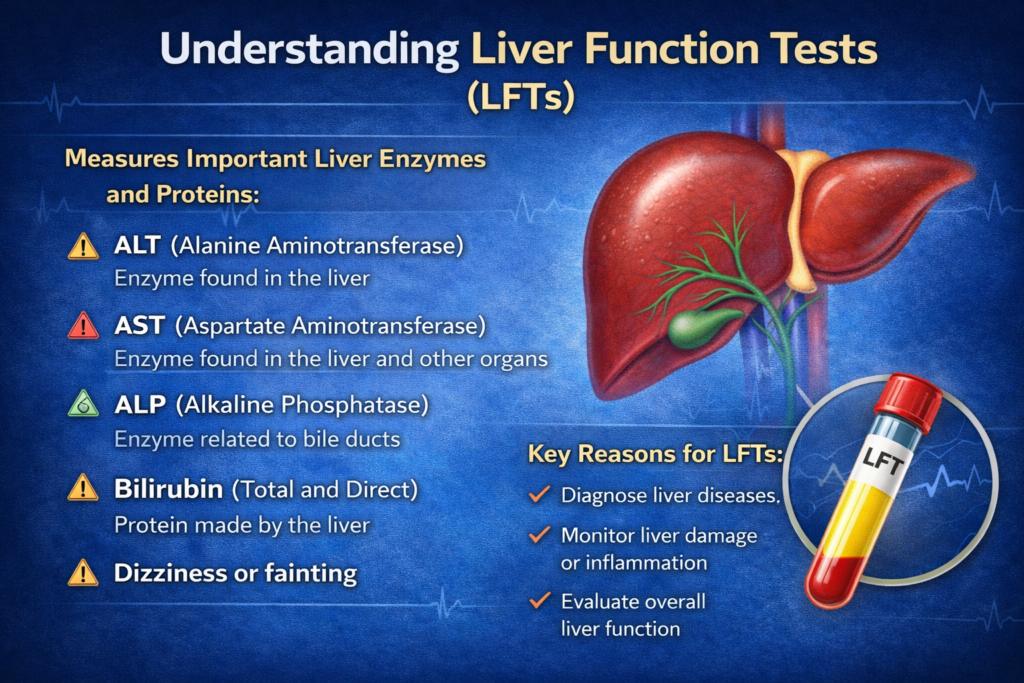
A liver function test, also called a liver test. This test evaluates how well your liver is performing essential tasks. It measures liver enzymes such as ALT and AST, proteins such as albumin, and bilirubin, which is a byproduct of red blood cell breakdown. Collectively, these values provide a snapshot of liver health and help detect early signs of liver disease.
Why Do Doctors Order a Liver Function Test?
Doctors may recommend a liver function test to screen for liver disease, monitor the effects of medications, evaluate alcohol-related liver injury, or track the progression of existing liver conditions. It is particularly useful when patients report liver problem symptoms, such as fatigue, abdominal discomfort, or jaundice, or when there is a family history of liver disease.
When Should Liver Function Tests Be Checked?
Testing is advised when you experience symptoms like yellowing of the skin or eyes, persistent fatigue, pain in the upper right abdomen, dark urine, nausea, or unexplained swelling in the legs or abdomen. High-risk individuals, including those with obesity, diabetes, high cholesterol, or viral hepatitis exposure, may also benefit from regular liver testing, even if no symptoms are present.
Key Liver Function Tests and Their Normal Ranges
A liver function test panel considers multiple markers that reflect liver cell health, bile flow, and protein production. These markers collectively provide a comprehensive view of liver function.
The Primary Components of a Liver Function Test
- Alanine transaminase (ALT): Indicates liver cell injury
- Aspartate aminotransferase (AST): Reflects liver and muscle damage
- Alkaline phosphatase (ALP): Linked to bile duct function
- Bilirubin: A waste product processed by the liver
- Albumin: A protein produced by the liver
- Prothrombin Time (PT): Measures blood clotting ability
Typical Normal Ranges
While values vary slightly between laboratories, average ranges are:
- ALT: 0–45 IU/L
- AST: 0–35 IU/L
- ALP: 30–120 IU/L
- Bilirubin: 0.1–1.2 mg/dL
- Albumin: 3.5–5.0 g/dL
- Prothrombin Time: 10–13 seconds
Normal ranges may differ depending on age, gender, body size, and laboratory standards. Slight variations do not automatically indicate liver disease.
What Do These Markers Represent?
Enzymes like ALT and AST indicate liver cell injury, while bilirubin reflects bile processing and waste removal. Proteins such as albumin and PT show the liver’s ability to produce essential substances. By looking at these markers together, doctors can identify patterns that suggest specific types of liver injury or disease.
What Abnormal Liver Function Test Results Mean
Abnormal liver function test results can indicate mild, moderate, or severe liver involvement. A single abnormal result should be interpreted in context, considering symptoms, medical history, and other laboratory findings.
Mild vs Moderate vs Severe Elevation
Mild elevations, up to 2–3 times normal, are often reversible and may be influenced by temporary factors like diet, medications, or minor infections. Moderate elevations (3–10 times normal) may indicate more significant liver stress, while severe elevations (over 10 times normal) require urgent medical evaluation.
Causes of Abnormal Results
Elevated ALT and AST often reflect liver inflammation. If ALT is higher than AST, it commonly points to fatty liver disease or viral hepatitis, whereas AST twice as high as ALT may suggest alcohol-related liver injury. High bilirubin can cause jaundice and may indicate bile duct obstruction, acute hepatitis, or advanced liver disease. Low albumin or prolonged PT suggests reduced liver function, which can be seen in chronic or severe liver conditions.
Why Is My Liver Function Test Slightly Elevated?
Slight elevations are common and often temporary. Causes include fatty liver disease, viral infections, dehydration, strenuous exercise, certain painkillers, herbal supplements, and alcohol consumption. With lifestyle modifications and monitoring, these results often return to normal.
Factors That Can Affect Liver Function Test Results
Several factors can temporarily influence LFT values without indicating permanent damage. Alcohol use, obesity, rapid weight loss, medications, energy drinks, pregnancy, and viral infections are common influencers. Doctors often repeat the test to confirm findings before making a diagnosis.
How the Liver Function Test Is Done
A liver function test is simple and minimally invasive. During the procedure, a healthcare professional draws a small blood sample from a vein in your arm. The process takes only a few minutes, and you can resume normal activities immediately afterward. Preparation may include fasting for 8–12 hours, avoiding alcohol, and informing your doctor about any medications. The test is safe, with only minor bruising or discomfort at the injection site in some cases.
Interpreting Liver Function Test Results Correctly
Understanding LFT results requires evaluating patterns rather than isolated values. For example, ALT higher than AST usually indicates fatty liver or metabolic causes, while AST twice as high as ALT may signal alcohol-related injury. High ALP combined with elevated bilirubin often suggests bile duct obstruction, and low albumin can indicate chronic liver disease. Doctors may recommend additional tests such as ultrasound, hepatitis screening, Fibroscan, or imaging if abnormalities persist.
Can Liver Function Test Results Return to Normal?
Many liver function abnormalities improve with proper management. Weight reduction, limiting alcohol, controlling blood sugar, avoiding unnecessary medications, and following a balanced diet can all help restore liver health. Regular monitoring and timely interventions improve long-term outcomes.
How Often Should a Liver Function Test Be Repeated?
- Mild abnormalities: repeat in 4–6 weeks
- Chronic liver disease: every 3–6 months
- Medication monitoring: as advised by your doctor
This ensures trends are tracked accurately and early interventions are implemented.
When to See a Liver Specialist
You should consult a liver doctor in Lahore if abnormal results persist, liver disease symptoms develop, or there is a family history of liver conditions. A liver specialist in Lahore or the best hepatologist in Lahore can provide proper evaluation, interpretation, and treatment planning to safeguard liver health.
Final Thoughts
A liver function test is a simple yet powerful tool for monitoring liver health. While abnormal results can be concerning, many are mild and reversible. By understanding your results, making lifestyle changes, and consulting a qualified liver doctor in Lahore when needed, you can take proactive steps to maintain optimal liver function and overall health.