
Thecolonoscopy procedure is one of the common issues that arise among patients who are encouraged to take the test but feel anxious because they are unaware of how it’s done. The use of a colonoscopy procedure as a diagnostic and preventive method has become a common practice, enabling medical professionals to observe the lining of the large intestine and rectum.
Colorectal conditions and digestive disorders tend to develop silently. Symptoms are not visible among many patients until the disease reaches its advanced stage. An early colonoscopy test in Lahore, administered by an experienced colonoscopy specialist doctor, is effective in detecting abnormalities early and providing proper treatment, greatly contributing to better outcomes.
This blog will give a detailed description of the colonoscopy procedure in Lahore, its importance, the procedure & preparation, expected recovery, risks, and the reason why this procedure is the most reliable screening technique for colorectal cancer.
What Is a Colonoscopy?
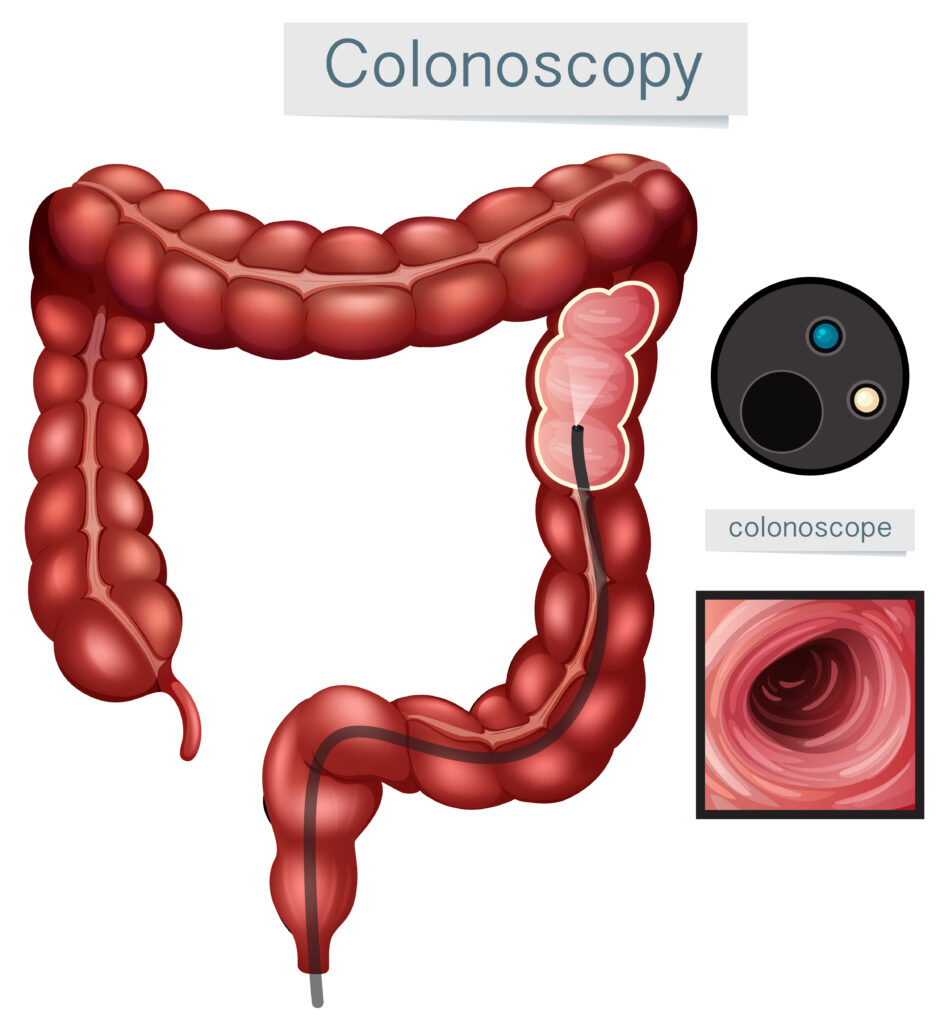
A colonoscopy is a medical test used to examine the inner part of the colon and rectum with the help of a long and flexible tube known as a colonoscope. To enable the doctor to determine the well-being of the intestinal lining in real time, the colonoscope has a light source and a small camera that projects high-resolution images on a monitor.
Such a procedure is necessary to detect conditions like colon polyps, inflammation, ulcers, bleeding, diverticular disease, and signs of colorectal cancer. Unlike many other screening tests, a colonoscopy procedure in Lahore allows for both diagnosis and treatment, as abnormal tissue can be removed or biopsied during the same procedure.
Why Might You Need a Colonoscopy?
Understanding what a colonoscopy is used for helps patients recognize that it is not only a test for symptoms but also a preventive measure.
Screening for Colorectal Cancer
Colorectal cancer screening is the gold standard of the colonoscopy procedure in Lahore. It is recommended for individuals over 45 and for those with a family history of colon cancer or polyps. Early detection allows for the removal of precancerous growths and significantly reduces the risk of cancer.
Diagnosis of Digestive Symptoms
Doctors suggest a colonoscopy in Lahore because of such persistent symptoms as chronic diarrhea, constipated bowel movements, unexplained abdominal pain, blood in the stool, iron-deficiency anemia, or unexplained weight loss.
Treatment and Ongoing Surveillance
During a colonoscopy procedure, polyps may be removed, bleeding treated, and biopsies conducted. Patients with a history of polyps or inflammatory bowel disease may require a colonoscopy test in Lahore for ongoing surveillance to monitor disease progression.
What Happens Before a Colonoscopy?
Before a colonoscopy procedure in Lahore, your doctor will do a thorough examination of your medical background, including any medications in use, any prior surgeries, allergies, and chronic conditions like diabetes or heart disease.
Certain medications, especially anticoagulants, iron supplements, and diabetes medications, might need to be adjusted temporarily to ensure safety and accuracy of the procedure. Clear instructions are provided so that patients are fully aware of what to do before the test.
How Do I Prepare for a Colonoscopy?
Preparation is crucial for a successful colonoscopy. An inadequately cleaned colon can hide abnormalities. This can require a repeat test.
Patients are normally instructed to:
- Follow a clear liquid diet a day before the procedure.
- Avoid solid foods, dairy products, and colored liquids.
- Use prescribed bowel-cleaning solutions.
- Stay well-hydrated to avoid dehydration.
Even though bowel preparation might seem to be inconvenient, it is a critical factor in the accuracy of results and in minimizing time spent on the procedures.
Colonoscopy Procedure Explained Step by Step
The colonoscopy procedure in Lahore helps patients understand what happens during the test and reduces anxiety.
- Preparation and Arrival
Upon arrival, patients change into a gown and have their vital signs checked. An IV line is placed for sedation.
- Positioning
You are positioned comfortably on your side, allowing easy access to the rectum and colon.
- Sedation
Sedation is administered to keep you relaxed and comfortable. Most patients are drowsy and experience little to no discomfort.
- Insertion of the Colonoscope
The colonoscope is gently inserted through the rectum and guided through the colon.
- Inflation and Examination
Air or carbon dioxide is introduced to expand the colon, improving visibility of the intestinal walls.
- Inspection and Intervention
The doctor carefully inspects the colon lining. Polyps or suspicious areas are removed or biopsied if necessary.
- Completion
Once the examination is complete, the scope is slowly withdrawn.
- Recovery
Patients are monitored until the effects of sedation wear off.
Colonoscopy in Lahore: When Should You See a Specialist?
Visit a colonoscopy specialist doctor in Lahore if you experience chronic digestive symptoms such as constipation, diarrhea, abdominal pain, blood in the stool, or unexplained weight loss. Routine screening is also recommended even in the absence of symptoms in those older than 45 years or those whose family medical history includes a history of colorectal cancer. Guidance from a specialist ensures preparation, proper results, and individual follow-up care, enabling early detection, preventing complications, and maintaining long-term digestive health.
Conclusion
Understanding the colonoscopy procedure explained step by step allows patients to make informed and confident decisions about their digestive health. With timely screening, adequate preparation, and care from a trusted colonoscopy specialist doctor, colonoscopy is a safe and effective way to detect abnormalities, prevent colorectal disease, and protect long-term digestive wellness. Consulting a qualified specialist ensures accurate diagnosis, early treatment, and peace of mind.
FAQs
Do You Stay Awake During a Colonoscopy?
No. Most patients receive sedation and remain relaxed or lightly asleep. While some may be semi-awake but comfortable, with little memory of the procedure.
Is a Colonoscopy a Painful Procedure?
Generally, a colonoscopy procedure is not painful. Mild cramping or bloating may appear afterward due to air introduced during the exam, but this resolves quickly.
Who Performs a Colonoscopy?
A colonoscopy is conducted by a trained colonoscopy specialist doctor or gastroenterologist who has experience in colorectal and digestive disorders.
How Long Does a Colonoscopy Take?
The procedure usually takes 30 to 60 minutes, depending on findings. Recovery from sedation may take an additional hour.
What Happens After a Colonoscopy?
After the colonoscopy procedure, patients may experience mild bloating or gas. Most can resume normal eating the same day, but driving should be avoided for 24 hours.
How Long Does It Take to Recover From a Colonoscopy?
Typically, a person can fully recover from a colonoscopy within 24 hours, allowing patients to return to routine activities the following day.
What Are the Possible Side Effects and Risks of Colonoscopy?
Colonoscopy is a safe procedure with a low complication rate. Rare risks include bleeding, infection, or bowel perforation. These risks are minimized when performed by experienced specialists.
When Will I Get the Results of My Colonoscopy?
In case no biopsies are taken, results are often shared immediately. Biopsy results usually take a few days.
What Are Abnormal Colonoscopy Results?
Abnormal results may include polyps, inflammation, ulcers, or signs of colorectal cancer. Early detection allows timely treatment and improved outcomes.
Are There Alternatives to Colonoscopy for Colon Cancer Screening?
Alternatives include stool tests and CT colonography, but these methods cannot remove polyps or provide direct treatment.
Why Is Colonoscopy Better Than Other Screening Methods?
Colonoscopy offers direct visualization, early detection, immediate treatment, and long-term cancer prevention, making it the most effective screening tool available.