
Digestive and liver-related symptoms are often ignored or self-treated, especially when they start mildly. Many patients assume bloating, fatigue, or acidity will resolve on its own. While this may be true in some cases, certain stomach and liver symptoms are early warning signals of more serious conditions that require specialist care.
The challenge is knowing which symptoms are harmless and which ones point to a more significant problem. Identifying symptoms that need a gastroenterologist allows for early diagnosis, timely treatment, and better long-term health outcomes.
Below are the most important gastrointestinal red flag symptoms and liver disease warning signs that should never be overlooked.
Gastrointestinal Red Flag Symptoms That Require Immediate Medical Attention
Some digestive symptoms suggest internal bleeding, infection, inflammation, or obstruction. These serious digestive symptoms need prompt evaluation by a stomach and liver specialist.
- Vomiting Blood or Coffee-Ground Material
Vomiting fresh blood or dark, grainy material usually indicates bleeding in the upper digestive tract. This may be caused by peptic ulcers, severe gastritis, or enlarged veins related to liver disease. Even if the bleeding seems to stop, the underlying cause may still be active and dangerous.
- Black, Tarry, or Bloody Stools
Black or blood-stained stools are classic gastrointestinal red flag symptoms. They often point to bleeding within the stomach, intestines, or colon, which can lead to anemia or shock if left untreated.
- Sudden or Severe Abdominal Pain
Sharp, intense, or worsening abdominal pain may suggest conditions like acute pancreatitis, gallbladder inflammation, intestinal blockage, or liver infection. These conditions frequently need urgent investigation and, in some cases, hospital-based treatment.
- Persistent High Fever With Digestive Symptoms
A high fever combined with abdominal pain, vomiting, or diarrhea may point to infection, abscess formation, or inflammatory bowel disease and shouldn’t be managed without specialist guidance.
Warning Signs of Liver Disease You Should Not Ignore
Liver disease often progresses silently. Many patients develop significant liver damage before noticeable symptoms show up. Noticing early warning signs of liver disease can help avoid irreversible complications.
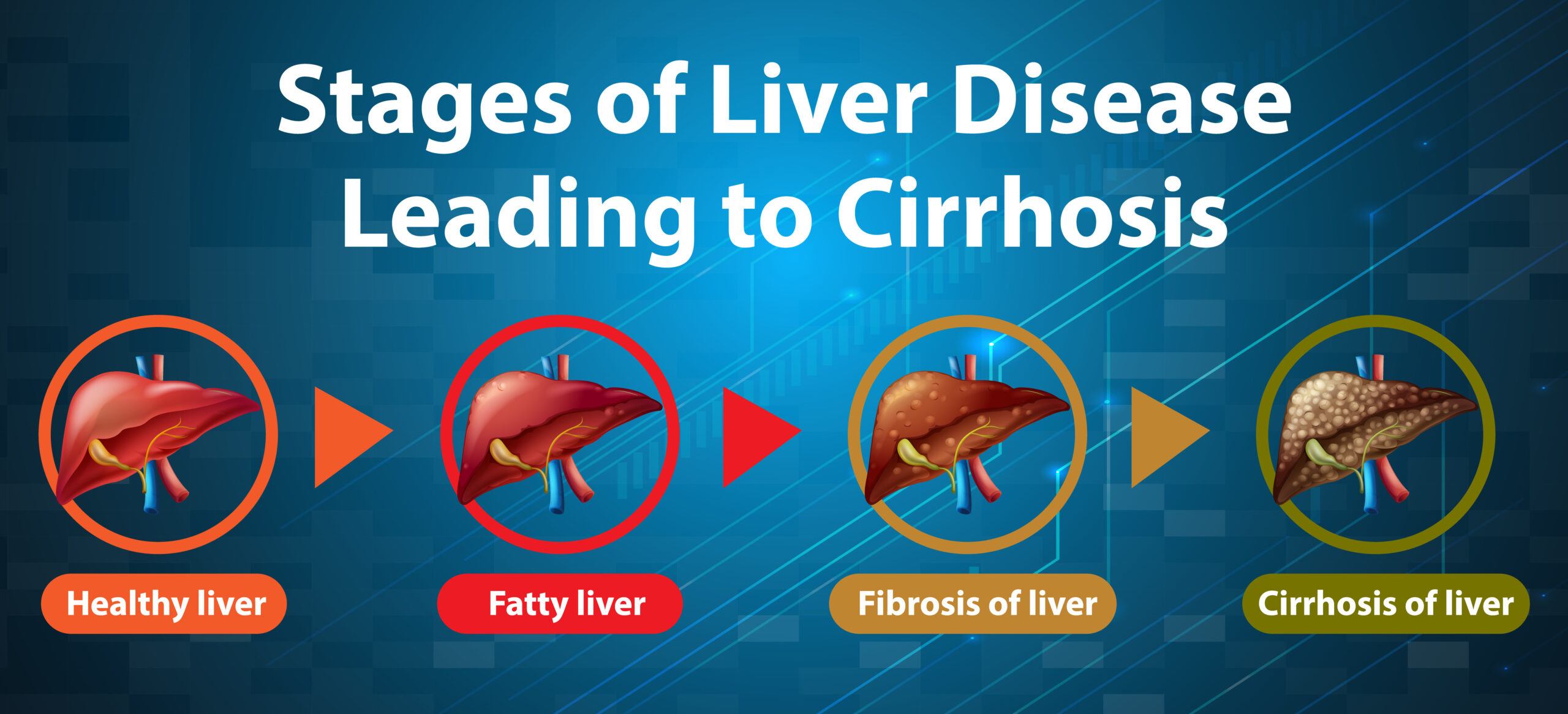
- Jaundice (Yellowing of Skin or Eyes)
Jaundice occurs when bilirubin builds up in the bloodstream due to impaired liver function or bile flow obstruction. It’s one of the most recognizable liver disease warning signs and may indicate hepatitis, cirrhosis, or bile duct disorders.
- Persistent Fatigue and Weakness
Unexplained tiredness that doesn’t improve with rest may result from the liver’s reduced ability to process nutrients and eliminate toxins.
- Easy Bruising or Prolonged Bleeding
The liver plays a key role in producing clotting factors. Liver dysfunction may cause frequent bruising, nosebleeds, or prolonged bleeding from minor cuts.
- Itchy Skin, Dark Urine, or Pale Stools
These changes frequently reflect problems with bile metabolism and are important stomach and liver symptoms that should lead to medical evaluation.
Digestive Symptoms That Need a Gastroenterologist
Not all digestive issues are emergencies, but symptoms that persist or worsen over time often fall under symptoms that need a gastroenterologist rather than routine treatment.
Chronic Abdominal Pain or Ongoing Bloating
Persistent discomfort or bloating may be linked to liver enlargement, gallbladder disease, chronic gastritis, or inflammatory bowel disorders. When symptoms obstruct daily life, specialist assessment becomes important.
Diarrhea or Constipation Lasting More Than 2–3 Weeks
Long-standing changes in bowel habits may signal infection, malabsorption, inflammatory bowel disease, or colorectal conditions that call for further investigation.
Persistent Heartburn or Acid Reflux
Chronic reflux is a serious digestive symptom that can damage the esophagus and raise the risk of strictures or cancer if left untreated.
When Should You Visit a Stomach & Liver Specialist Immediately?
You should seek urgent consultation if symptoms continue despite medication.
- Pain, bloating, or reflux progressively worsens.
- There is blood in vomit or stool.
- You notice jaundice, abdominal swelling, or confusion.
- You have a known history of liver disease or hepatitis.
These are clear gastrointestinal red flag symptoms that should not be managed with self-medication alone.
Conditions Commonly Managed by a Gastroenterologist
A stomach and liver specialist assesses and treats a wide range of digestive and liver conditions, including:
- Gastritis and peptic ulcer disease
- Fatty liver disease, hepatitis, and cirrhosis
- Gallstones and bile duct disorders
- Pancreatitis
- GERD and esophageal disorders
- Inflammatory bowel disease
- Gastrointestinal bleeding
- Liver and digestive tract cancers
Early diagnosis plays an important role in stopping complications and improving outcomes.
What to Expect During Your Gastroenterology Consultation
Understanding the consultation process can help you feel more comfortable and prepared.
- Comprehensive Clinical Evaluation
A detailed discussion of symptoms, duration, medical history, life habits, and medications.
- Physical Examination
Focused examination to identify tenderness, swelling, jaundice, or signs of chronic liver disease.
- Diagnostic Testing
Depending on findings, investigations may include blood tests, imaging studies, endoscopy, colonoscopy, or liver function assessments.
- Individualized Treatment Plan
Based on your diagnosis, the specialist will outline appropriate medication, dietary advice, procedures, or subsequent care.
Why Early Diagnosis and Treatment Matter
Catching serious digestive symptoms and liver disease warning signs quickly:
- Prevents disease progression
- Reduces hospital admissions
- Improves treatment success
- Protects long-term digestive and liver health
Delaying specialist care often leads to advanced disease that’s harder to manage.
Conclusion
Your digestive system and liver play a vital role in overall health. Chronic or intense stomach and liver symptoms aren’t something to ignore. Bleeding, jaundice, chronic pain, or unexplained fatigue are signals that you need expert evaluation.
If you are experiencing any symptoms that need a gastroenterologist, timely consultation with an experienced stomach and liver specialist like Dr. Fahd gives clarity, reassurance, and the right course of treatment. Early action often makes the greatest difference in outcomes. Schedule a consultation with Dr. Fahd to take the next step toward better digestive and liver health.