
Endoscopy procedures are minimally invasive techniques that provide a way to examine the digestive tract and other internal organs. They play a crucial role in diagnosing, monitoring, and treating a variety of gastrointestinal and related conditions. By understanding these procedures, patients can make informed decisions regarding their health and recovery.
What Is an Endoscopy Procedure?
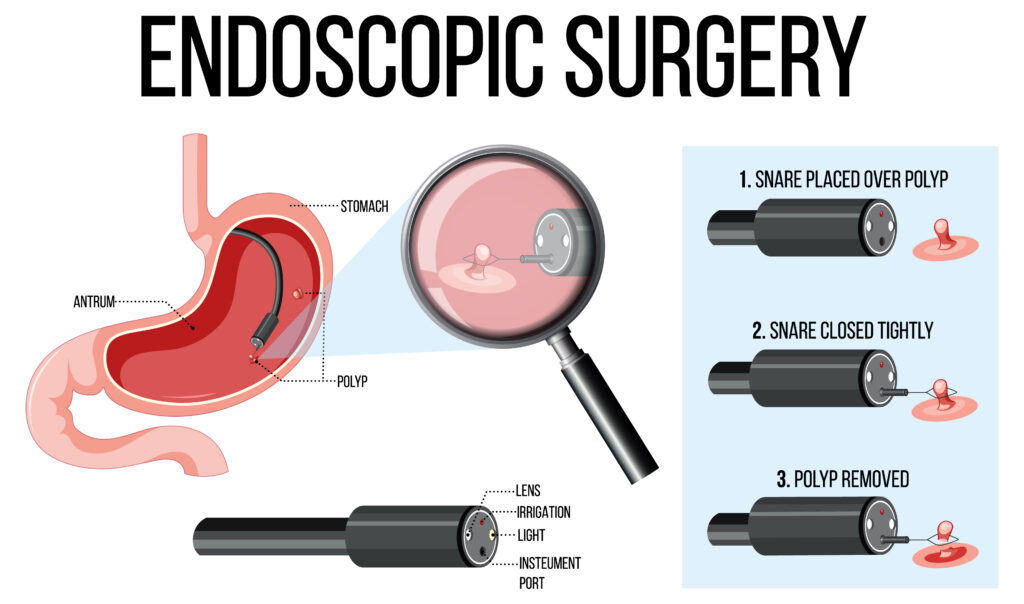
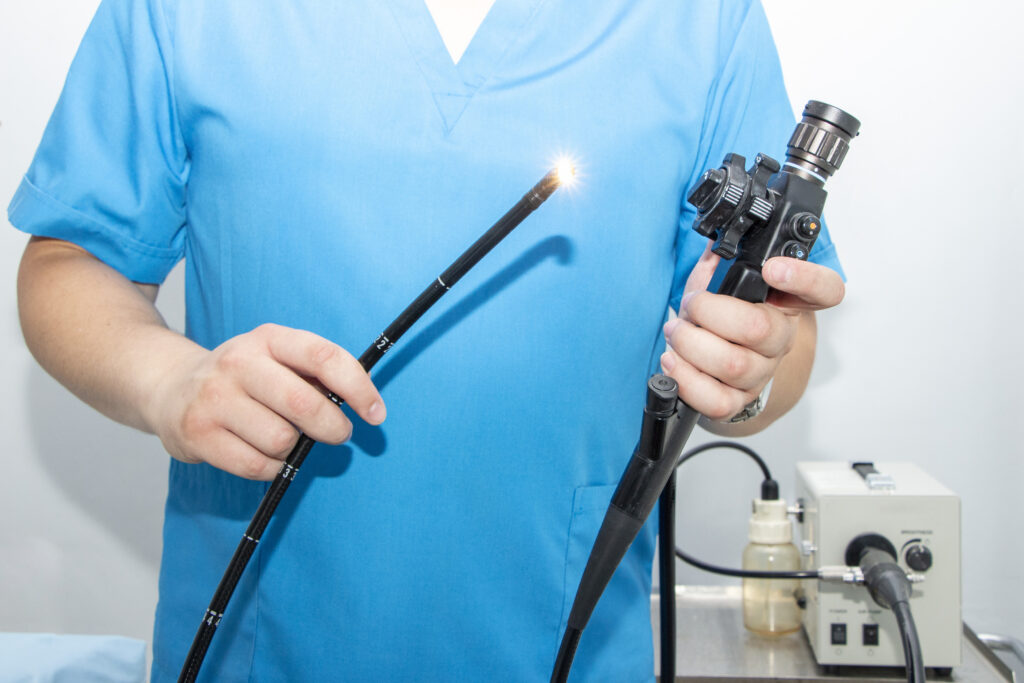
An endoscopy procedure uses a flexible tube equipped with a camera and light to examine internal organs, most commonly the digestive system. These procedures can be diagnostic, helping to identify issues such as ulcers, inflammation, or tumours, or therapeutic, allowing for treatments like polyp removal or stent placement. Generally, endoscopic procedures are safer than traditional surgery because they involve smaller incisions, shorter recovery times, and precise imaging that aids in making treatment decisions.
What Are Endoscopes Used For?
Endoscopy is typically recommended when symptoms suggest internal problems that cannot be diagnosed through external tests. You might need an endoscopy if you have persistent abdominal pain, unexplained bleeding, difficulty swallowing, chronic heartburn, or jaundice. A qualified endoscopy surgeon will evaluate your medical history, symptoms, and prior test results to determine if an endoscopy is necessary.
How to Know Which Endoscopy You Need
The specific endoscopy procedure you’ll need depends on the area being examined and the suspected condition. Some common examples include:
- An upper endoscopy for upper GI complaints.
- A colonoscopy for colorectal issues.
- Endoscopic Retrograde Cholangiopancreatography (ERCP) for bile duct or pancreas problems.
What Diseases Can Be Detected By An Endoscopy
Endoscopic procedures can help detect and manage various conditions, including:
- Gastric and duodenal ulcers
- Gastroesophageal reflux disease (GERD)
- Colon polyps and colorectal cancer
- Gallstones or bile duct obstructions
- Small intestine disorders
Top 5 Endoscopy Procedures
Here are five of the most common endoscopic procedures, each with specific uses and benefits:
1. Upper Endoscopy (Esophagogastroduodenoscopy / EGD)
Upper GI endoscopy procedure examines the oesophagus, stomach, and upper small intestine. It helps diagnose issues like ulcers or inflammation and assess swallowing disorders. The endoscope is inserted through the mouth under sedation, and small biopsies can be taken if needed. Most patients experience a quick recovery, with only mild throat soreness.
2. Colonoscopy
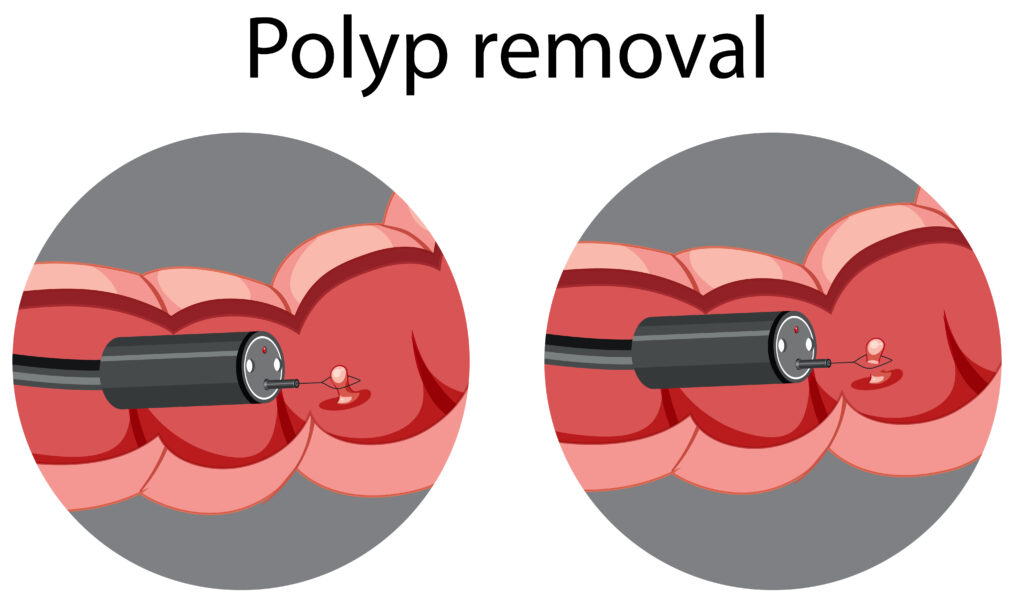
A colonoscopy allows for visualisation of the entire colon and rectum, primarily used for colorectal cancer screening, polyp removal, and evaluation of unexplained abdominal symptoms. Patients must follow a specific bowel preparation routine beforehand. After the procedure, patients are typically monitored for minor discomfort or bloating.
3. Flexible Sigmoidoscopy
This less invasive procedure focuses on examining the lower part of the colon and rectum. It’s often used for screening or monitoring conditions like ulcerative colitis. Preparation is simpler than for a full colonoscopy, and recovery is usually swift.
4. Capsule Endoscopy
During capsule endoscopy, patients swallow a small capsule equipped with a camera that captures images of the small intestine. This technique is beneficial for conditions that are hard to examine with traditional endoscopy, like unexplained bleeding or Crohn’s disease. It’s a non-invasive procedure, and the capsule passes naturally through the digestive system.
5. Endoscopic Retrograde Cholangiopancreatography (ERCP)
ERCP is designed to diagnose and treat issues related to the bile and pancreatic ducts, such as gallstones, strictures, or tumours. It combines endoscopy with imaging techniques to allow for precise intervention. Recovery may require a short monitoring period in a medical facility, and patients should follow specific post-procedure care instructions.
How to Prepare for an Endoscopic Procedure
Preparation for an endoscopy varies depending on the type of procedure you will undergo. You may need to:
Fast for several hours before the procedure
- Adjust or pause certain medications
- Follow specific bowel preparation instructions for colon procedures
- Receive pre-procedure counselling to help reduce anxiety
Proper preparation is vital for ensuring accuracy, safety, and a smoother recovery.
What to Expect During an Endoscopic Procedure
During the procedure, you can expect:
- Administration of sedation or anaesthesia for comfort
- Careful guiding of the endoscope to the targeted area
- Potential biopsies or minor treatments
- Continuous monitoring of vital signs by the medical team
The length of the procedure typically ranges from 15 to 60 minutes, depending on its complexity.
What to Expect After an Endoscopic Procedure
After the procedure, you should anticipate:
- A period of observation for a few hours if sedation was used
- Gradual resumption of eating and drinking based on medical advice
- Possible mild discomfort, bloating, or a sore throat
Endoscopy Side Effects
While endoscopies are generally safe, there can be some side effects, including:
- Temporary bloating or cramping
- Mild throat irritation (especially after upper endoscopy)
- Rare complications such as bleeding or infection
Risks and Benefits of Endoscopy
Benefits:
- Minimally invasive with small or no incisions
- Accurate visualisation and diagnosis
- Early treatment of polyps, obstructions, or lesions
- Faster recovery than traditional surgery
Risks:
- Bleeding at biopsy or treatment sites
- Infection
- Perforation (rare)
- Reactions to sedation
Discussing these with the endoscopy surgeon helps patients make informed decisions.
Latest Techniques in Endoscopy Technology
Modern endoscopy uses advanced technology to improve precision and patient comfort:
- High-definition endoscopes for more precise imaging
- Robotic-assisted endoscopy for minimally invasive interventions
- Capsule endoscopy for detailed small intestine assessment
- Hybrid procedures combining imaging and therapeutic tools
When to Call Your Healthcare Provider
Contact your doctor if you experience these:
- Severe abdominal pain or bloating
- Heavy bleeding or persistent vomiting
- Fever or signs of infection
- Difficulty swallowing or sudden worsening of symptoms
Early consultation ensures timely management of any complications.
Comprehensive Endoscopy Care by Dr Fahd
Dr Fahd offers comprehensive endoscopy care for the diagnosis and management of a wide range of gastrointestinal conditions. His approach focuses on accurate evaluation, patient comfort, and the use of modern endoscopic procedures to ensure safe and reliable outcomes.
If you are considering an endoscopy procedure or have been advised to undergo further evaluation, consulting Dr Fahd can help you understand your options and receive a personalised care plan tailored to your symptoms and health needs.